Barbera grape variety

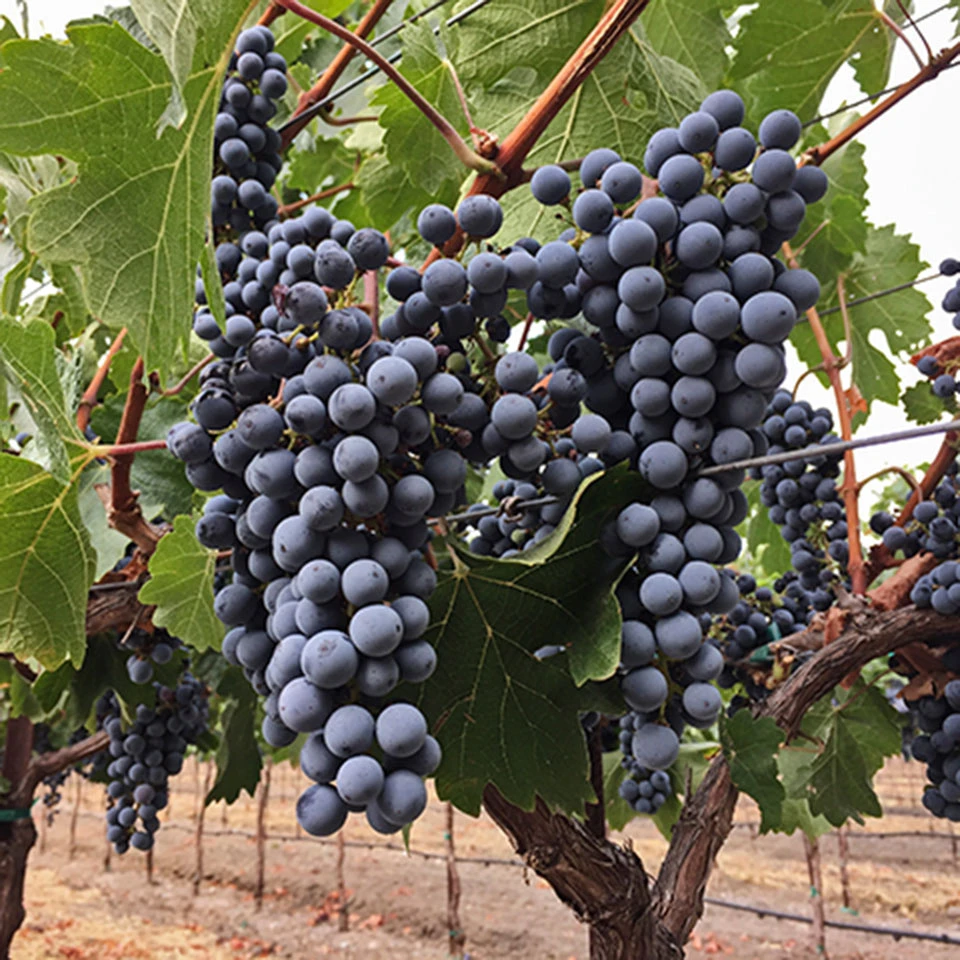
Barbera is the most widely cultivated red grape variety in the northern Italian region of Piedmont - but is also widespread in Lombardy and Emilia-Romagna. It produces fruity, accessible red wines with an intense ruby red colour and aromas of red fruits, cherries, plums and spices. They are medium-bodied on the palate, with moderate tannins and lively acidity even when fully ripe. The Barbera wines are generally pleasantly fresh and go well with Italian classics such as pasta, veal or risotto. The grape thrives particularly well on calcareous soils and is valued for its high productivity and adaptability to different terroirs.
Frequently asked questions (FAQ) about Barbera wine

How can the typical flavour profile of the Barbera grape variety be described?

Barbera is a real fruit bomb. In the glass, you can expect intense notes of fresh red and black cherries, blackberries and raspberries. Wines that have been matured in wooden barrels are often accompanied by subtle nuances of vanilla, cocoa and spicy herbs such as thyme or aniseed.

What are the special features of the structure (acidity/tannin) of the Barbera grape variety?

This is the hallmark of Barbera: it has a very lively, refreshing acidity, but very little tannin (tannins) compared to many other red wines. This makes it extremely juicy and smooth on the palate, without ever being furry or drying.

Is a wine made from the Barbera grape variety dry or sweet?

As a rule, Barbera is vinified dry. However, as it has a very ripe fruit flavour and often has a moderately high alcohol content, it can suggest a charming, natural "sweetness" in the taste, which makes the wine very accessible.

In which regions of Italy does the Barbera grape variety find its best conditions?

The undisputed home of Barbera is Piedmont in north-west Italy. The Barbera d'Asti (often more elegant) and Barbera d'Alba (usually more powerful) appellations are particularly famous. An insider tip for top quality is the still young DOCG Nizza.

What influence does the terroir have on the character of the Barbera grape variety?

Barbera loves calcareous clay soils and sunny locations. On such soils, it develops a deeper colour and a more complex structure. As it is a rather late-ripening variety, it needs the warmth of the Piedmont hills to perfectly integrate its distinctive acidity into the fruit.

Is the Barbera grape variety also successfully cultivated outside Italy?

Yes, Barbera can also be found in the "New World". It is particularly appreciated in California (e.g. in the Sierra Foothills) and in parts of Australia. There it retains its characteristic acidity even in hot climates, which makes it very attractive for winegrowers in warm regions.

What food goes best with a wine made from the Barbera grape variety?

Barbera is a "food-pairing wonder". Thanks to its high acidity, it is the perfect accompaniment to fatty dishes. It is a classic accompaniment to pasta with meat sauces (such as tajarin con ragù), salami and ham, as well as pizza. The acidity literally cuts through the fat of the cheese or meat and refreshes the palate.

How does the Barbera grape variety differ from the Nebbiolo grape variety?

This is the classic question in Piedmont! While Nebbiolo (Barolo/Barbaresco) is light in colour, extremely rich in tannins and high in acidity, Barbera is deep dark in colour, has hardly any tannins but is also high in acidity. In short: Barbera is "meatier" and softer, Nebbiolo is more "aristocratic" and structured.

Discover more grape varieties for red wines.

Carmenère

Carmenère gilt als die "Signature Grape" Chiles. Fast die Hälfte der weltweiten Bestände wachsen dort. Ursprünglich stammt die Sorte aber aus Bordeaux, wo vor der Reblauskatastrophe weit verbreitet war. 

Read more

Dornfelder

The Dornfelder grape variety is the most successful new red variety from Germany. Dornfelder is known for its medium body and soft tannins - as well as its deep dark colour. However, it should not be confused with the similar-sounding Dunkelfelder variety.

Read more

Montepulciano

Montepulciano is a red grape variety that is mainly grown in central Italy. Its wines are full-bodied, rich in extract, with strong alcohol and moderate acidity. They typically show flavours of dark fruits such as plums and cherries, often complemented by spicy or tobacco notes.

Read more

Nebbiolo

Nebbiolo is one of Italy's great noble grape varieties. It is mainly cultivated in Piedmont. The wines are medium to full-bodied, with extremely strong tannins, usually very rough when young, and high acidity. Nebbiolo wines typically show flavours of red fruits such as plum, cherry and red berries, accompanied by more edgy tones such as tobacco and leather.

Read more

Vernatsch

Vernatsch is a grape variety that is just as widespread in South Tyrol as it is in Württemberg, where it is called Trollinger. Its official name is Schiava, which goes back to a historical form of vine training (vineis sclavis) at the time of the Lombards.

Read more

Zinfandel

The Zinfandel grape variety is mainly grown in California and produces powerful, extremely powerful and dense red wines, usually with a high alcohol content. The flavour is characterised by aromas of ripe, dark berries and fruits such as blackberry, cherry and plum as well as spicy notes of cinnamon, cloves, chocolate and pepper.

Read more

Discover more grape varieties for white wines.

Riesling

Riesling is one of the best-known white grape varieties and is cultivated all over the world - first and foremost in Germany, of course. It is more flexible and versatile than almost any other grape.

Read more

Silvaner

Silvaner is a white grape variety that originated in Austria, but is now most widespread in Germany, where it plays an important role alongside Riesling. Other noteworthy stocks can still be found in Alsace in France. The wines are known for their freshness, minerality and sometimes strong, earthy character.

Read more

Weißburgunder

The Pinot Blanc grape - called Pinot Blanc in France and Pinot Bianco in Italy - is the lightest-coloured member of the large Burgundy family. The variety produces fresh, fruity wines whose acidity can vary from moderate to strong depending on the style and which develop delicate fruit flavours such as apples, pears or citrus fruits, often complemented by nutty notes such as almonds.

Read more

Trebbiano/Ugni Blanc

The Italian Trebbiano is one of the most widely cultivated grape varieties in the world and is known for its lively acidity and freshness. The wines have a light, straw-yellow colour and a light, fresh aroma of citrus fruits and apples.

Read more

Traminer/Savagnin Blanc

Traminer, known in France as Savagnin Blanc, is a white aromatic grape variety characterised by its intense aromas. Floral aromas of flowers, spices and fruity notes result in a complex and sometimes almost disturbingly dense aroma and flavour.

Read more

Furmint

Hardly any other grape variety is as closely associated with a country and its most famous wine as Furmint is with Hungary and Tokaj. The white variety is considered the heart and soul of the legendary sweet wine - and is also experiencing a remarkable renaissance as a dry wine.

Read more

You can find information on other grape varieties here.

Yout cart is empty.

Added to shopping cart
Subtotal
Go to shopping cart

Prices incl. VAT plus shipping costs.