Home Watch Compare Cart Account

Catarratto grape variety

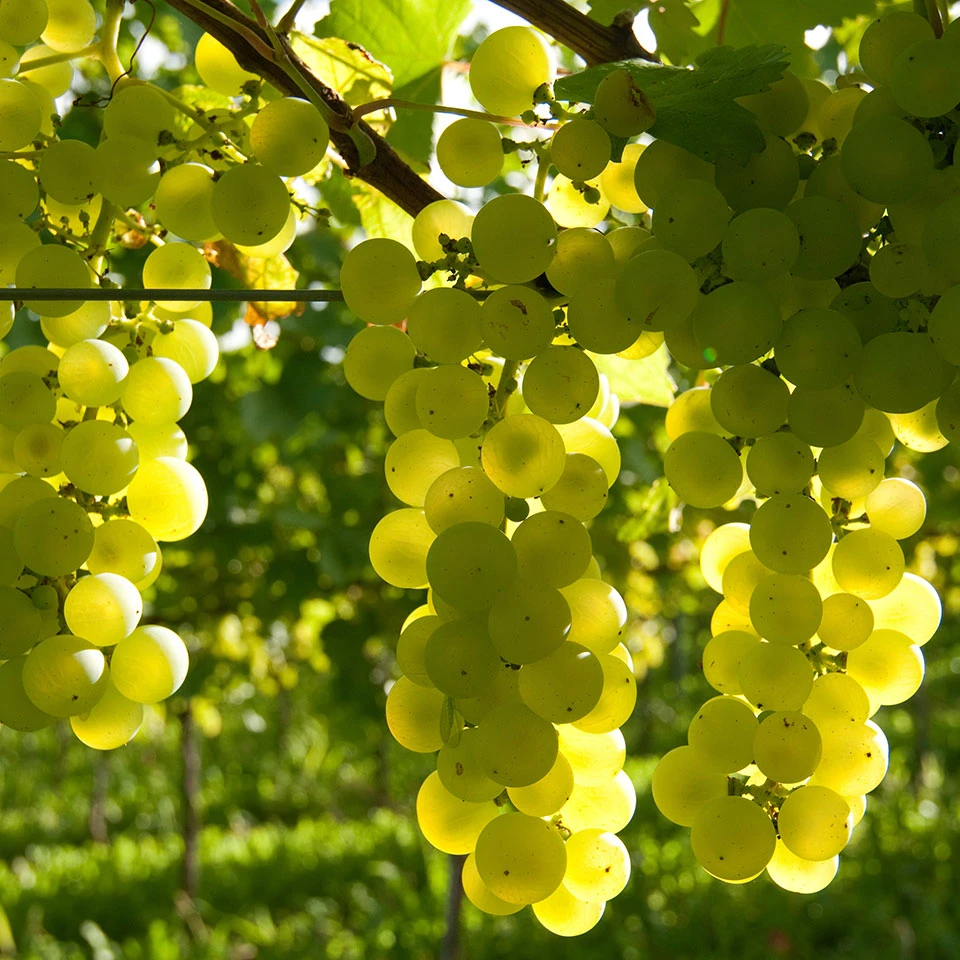
Catarratto is an indigenous white grape from Sicily, Italy. It is one of the most widely cultivated grapes there. Catarratto wines are generally fresh and fruity, with a medium body and good acidity. Typical flavours are citrus fruit, green apple and floral notes, often accompanied by a hint of almond and minerality. They are vinified both as a single variety and in cuvées with other Sicilian grape varieties such as Grillo or Inzolia. Catarratto is also often part of Marsala, the famous Sicilian liqueur wine. It harmonises well with seafood, light grilled starters or summer salads. The full potential of Catarratto has clearly emerged in recent years thanks to the quality-orientation of some producers.
Frequently asked questions (FAQ) about Catarratto wine

What does a typical wine from the Catarratto grape taste like?

Catarratto is a wine with soul. On the nose, you can expect intense notes of citrus fruits (lemon, grapefruit), white flowers and often a fine, tart herbal note reminiscent of Mediterranean scrub. A hint of green apple and white peach is also typical.

What structure does Catarratto have in terms of acidity and body?

Compared to many other southern white wines, Catarratto has a refreshing acidity and a surprisingly strong body. It is often full-bodied on the palate and has a slight, very pleasant bitter note on the finish, reminiscent of almonds.

Are there different styles of Catarratto?

Yes, a distinction is often made between Catarratto Bianco Comune and Catarratto Bianco Lucido. While the Comune is often somewhat more rustic and full-bodied, the Lucido is considered the more elegant variant with a finer flavour and more lively freshness.

Where in the world does the Catarratto grape grow best?

Catarratto is a purely Sicilian affair. It is the most widely cultivated white grape variety there, especially in the west of the island, in the provinces of Trapani, Palermo and Agrigento. There it finds the conditions it loves.

Which dishes harmonise perfectly with a Catarratto?

Catarratto is a fabulous accompaniment to food. Its structure pairs perfectly with seafood, grilled fish and typical Sicilian starters such as caponata. It also cuts an excellent figure with pasta with pesto or dishes with white meat and poultry.

How does Catarratto differ from the Grillo grape variety?

These two are the giants of Sicily. While Grillo often has a more exotic aroma (passion fruit, mango) and an almost salty minerality, Catarratto is usually a little more structured, herbaceous and has more "grip" on the palate.

What is the difference between Catarratto and Carricante?

This is where worlds collide: while Catarratto is the king of the west, Carricante dominates on Mount Etna in the east. Carricante has an extremely high acidity and an almost steely minerality, while Catarratto is rounder, full-bodied and more yellow-fruity.

What is the ideal drinking temperature for Catarratto?

Catarratto is best enjoyed well chilled, but not ice cold. A temperature of 8 to 10 degrees Celsius is ideal to bring out both the freshness and the complex herbal flavours.

Discover more grape varieties for white wines.

Sémillon

Sémillon is a noble white grape variety that originates from France, but has now also found a home in the New World. The wines are known for their fruity flavours and full body. Dry Sémillon wines typically show flavours of lemon or lime, while the sweet and noble sweet varieties have apricot, peach, honey, candied fruit or nutty tones.

Read more

Verdicchio

Verdicchio is a very old white grape variety from Italy, which is mainly cultivated in central Italy. The grapes produce dry to semi-dry white wines with a light yellow colour and a fresh, fruity taste. The flavours are reminiscent of green apples, pears, citrus fruits and hay meadows.

Read more

Viognier

Viognier is a white grape variety that originally comes from the Rhône region in south-east France, but is now cultivated in many countries. It produces complex and aromatically dense wines with a strong alcohol content and moderate acidity.

Read more

Weißburgunder

The Pinot Blanc grape - called Pinot Blanc in France and Pinot Bianco in Italy - is the lightest-coloured member of the large Burgundy family. The variety produces fresh, fruity wines whose acidity can vary from moderate to strong depending on the style and which develop delicate fruit flavours such as apples, pears or citrus fruits, often complemented by nutty notes such as almonds.

Read more

Elbling

Elbling is a very old white grape variety with a long history that is mainly cultivated in Germany, particularly along the upper Moselle. The wines are light, fresh and sparkling, with a strong, marked acidity and low alcohol content - which makes Elbling particularly interesting as a base wine for sparkling wines.

Read more

Chasselas

Chasselas is a white grape variety that is mainly cultivated in Switzerland, particularly in the Vaud region. It is also found in France and in Germany and Austria under the name Chasselas.

Read more

Discover more grape varieties for red wines.

Cabernet Franc

Cabernet Franc is a red grape variety that originated in France, particularly in Bordeaux and the Loire Valley. The grape - a parent of Cabernet Sauvignon - produces medium-bodied wines with moderate tannins but high acidity.

Read more

Caberlot

Caberlot promises to be exactly what its name suggests and is one of the most unusual grape varieties in Italy - and perhaps also one of the most exclusive.

Read more

Carignan

Carignan originally comes from Spain - but today it is mainly at home in the neighbouring south of France, Languedoc-Roussillon. It is characterised by a deep dark colour, strong tannins and high acidity.

Read more

Gamaret

Gamaret is a new Swiss variety from the 1970s. The red variety is mainly cultivated in Valais and Vaud. The grape is a cross between Gamay and Reichensteiner and was developed for the particular challenges of the Swiss climate.

Read more

Grenache

Grenache is a red grape variety grown mainly in southern France and Spain (where it is known as Garnacha). The wines are typically medium to full-bodied, with low tannins and high acidity.

Read more

Merlot

Merlot is a red grape that is one of the three major Bordeaux varieties. It is cultivated worldwide, but is particularly widespread in France and California. The wines are medium to full-bodied, with rather soft tannins and moderate acidity. Merlot wines typically show aromas of red and black fruits such as cherry, plum and blackcurrant, complemented by notes of vanilla, chocolate and spices. The grape is often used in cuvees such as Bordeaux wine.

Read more

You can find information on other grape varieties here.

Yout cart is empty.

Added to shopping cart
Subtotal
Go to shopping cart

Prices incl. VAT plus shipping costs.