Elbling grape variety

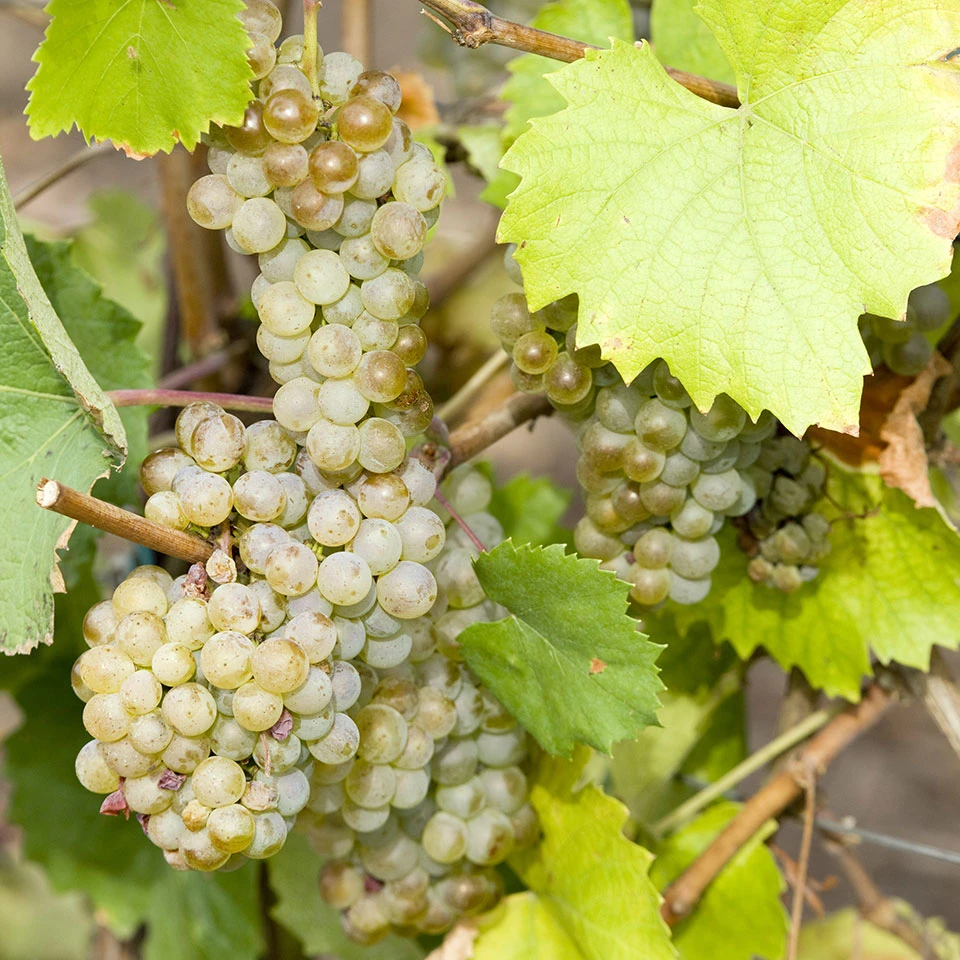
Elbling is a very old white grape variety with a long history that is mainly cultivated in Germany, particularly along the upper Moselle. The wines are light, fresh and lively, with a strong, marked acidity and low alcohol content - which makes Elbling particularly interesting as a base wine for sparkling wines. Its leading flavours are green apples and citrus notes, which can be accompanied by peach and almond tones as well as a subtle minerality. Elbling is ideal as an aperitif or as an accompaniment to light dishes such as seafood, fish and salads, but also cuts a fine figure with a snack. Despite their small market share, Elbling wines have a loyal following and offer an alternative to better-known German white wines such as Riesling or Müller-Thurgau.
Frequently asked questions (FAQ) about Elbling wine

How can the typical aroma profile of the Elbling grape variety be described?

Elbling is not a "perfumed wine". It is characterised by its noble restraint. On the nose, you will usually find subtle notes of green apple, lemon and fresh meadow herbs. There is often a subtle mineral note reminiscent of wet stone.

What is the structure of the Elbling grape variety in terms of acidity and body?

The hallmark of the Elbling grape variety is its pithy, refreshing acidity. It is a very lean wine with a light body. This makes it extremely invigorating and ensures a high drinking flow - perfect for all those who like it "crisp".

Is the Elbling grape variety high in alcohol or light?

A major advantage of the Elbling grape variety is its moderate alcohol content. The wines are usually between 10.5 and 11.5% by volume. This makes Elbling the ideal companion for social gatherings, where you can enjoy a second glass without it becoming too heavy.

In which region is the Elbling grape variety grown almost exclusively today?

If you are looking for excellent Elbling, you have to look to the Upper Moselle (the border region with Luxembourg and France). While slate dominates the Middle Moselle, Elbling finds the perfect soil for its character here.

What food pairing does a sommelier recommend for the Elbling grape variety?

Elbling is a phenomenal food companion because it doesn't overpower the food. It goes perfectly with light fish dishes, seafood or a classic regional snack platter with light-coloured cheese. The Elbling grape variety is also ideal for salads with vinegar and oil dressings, as its acidity harmonises with the vinaigrette.

Why is the Elbling grape variety so well suited to sparkling wine production?

Due to its high acidity and moderate alcohol content, the Elbling grape variety is an ideal base for crémants and sparkling wines. The perlage (the bubbles) in Elbling is particularly fine and invigorating - a wonderful alternative to champagne if you like it regional and fresh.

How does the Elbling grape variety differ from Riesling in terms of flavour?

While Riesling is often very fruity (peach, apricot) and aromatically loud, Elbling is much quieter, more neutral and more mineral. If Riesling is a colourful bouquet of flowers, then the Elbling grape variety is a clear pebble in a stream.

Is there also a red version of the Elbling grape variety?

Yes, there is the so-called red Elbling. This is a mutation of the white grape variety. The berries of the Elbling grape variety (red) are reddish in colour and the wine made from them is usually a light salmon pink. In terms of flavour, it remains true to the tangy nature of its white brother, but is often a touch creamier.

Discover more grape varieties for white wines.

Kisi

Kisi is one of the oldest indigenous grape varieties in Georgia - and yet it had almost disappeared. It was not until the 1990s that it was rediscovered and systematically recultivated in the Kakheti region. Today, it is regarded as a symbol of the renaissance of Georgian viticulture and combines tradition, originality and modern elegance.

Read more

Sauvignon Blanc

Sauvignon Blanc is one of the best-known white grape varieties in France. It actually originated in the Loire - but is now cultivated worldwide as the second most important noble variety after Chardonnay. New Zealand in particular has become the second home of Sauvignon Blanc.

Read more

Silvaner

Silvaner is a white grape variety that originated in Austria, but is now most widespread in Germany, where it plays an important role alongside Riesling. Other noteworthy stocks can still be found in Alsace in France. The wines are known for their freshness, minerality and sometimes strong, earthy character.

Read more

Sémillon

Sémillon is a noble white grape variety that originates from France, but has now also found a home in the New World. The wines are known for their fruity flavours and full body. Dry Sémillon wines typically show flavours of lemon or lime, while the sweet and noble sweet varieties have apricot, peach, honey, candied fruit or nutty tones.

Read more

Trebbiano/Ugni Blanc

The Italian Trebbiano is one of the most widely cultivated grape varieties in the world and is known for its lively acidity and freshness. The wines have a light, straw-yellow colour and a light, fresh aroma of citrus fruits and apples.

Read more

Welschriesling

Welschriesling is a white grape variety that is mainly cultivated in Austria and the wider Danube region of the former Austro-Hungarian Empire. Despite its name, it is not related to Riesling.

Read more

Here you will find information on other grape varieties.

Yout cart is empty.

Added to shopping cart
Subtotal
Go to shopping cart

Prices incl. VAT plus shipping costs.