Frühburgunder grape variety

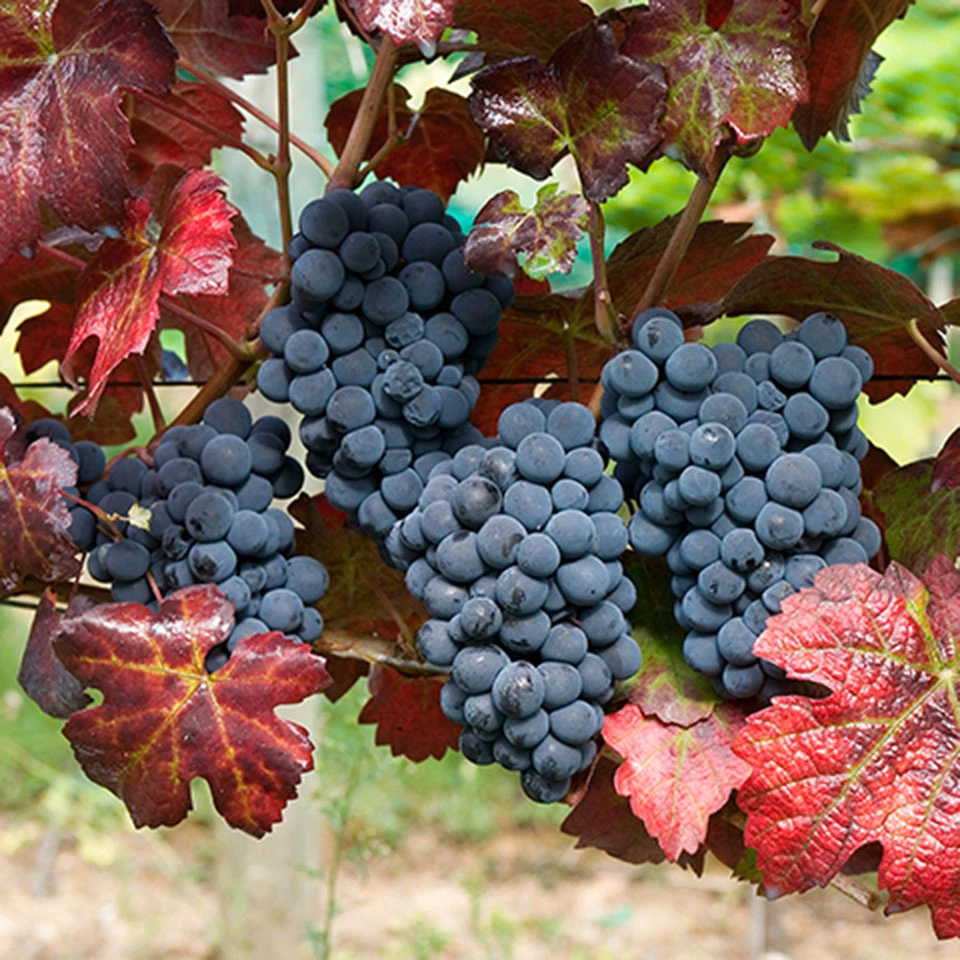
Pinot Noir, also known as Pinot Madeleine, is a red grape variety that is closely related to Pinot Noir. It is also cultivated in France, but mainly in Germany. The grape ripens - nomen est omen - earlier than Pinot Noir and produces somewhat richer wines with velvety tannins and good acidity. Frühburgunder wines usually show flavours of red fruits such as cherry, blackberry and raspberry, complemented by spicy notes and sometimes smoky tones. They can be matured both in steel tanks and in wooden barrels, with the latter often displaying a certain oak flavour. Frühburgunder goes well with a variety of dishes, from poultry and pork to dark braised beef. Frühburgunder is bottled as a single variety, but is also used for blending with Spätburgunder to give the cuvee more body.
Order Frühburgunder wines online

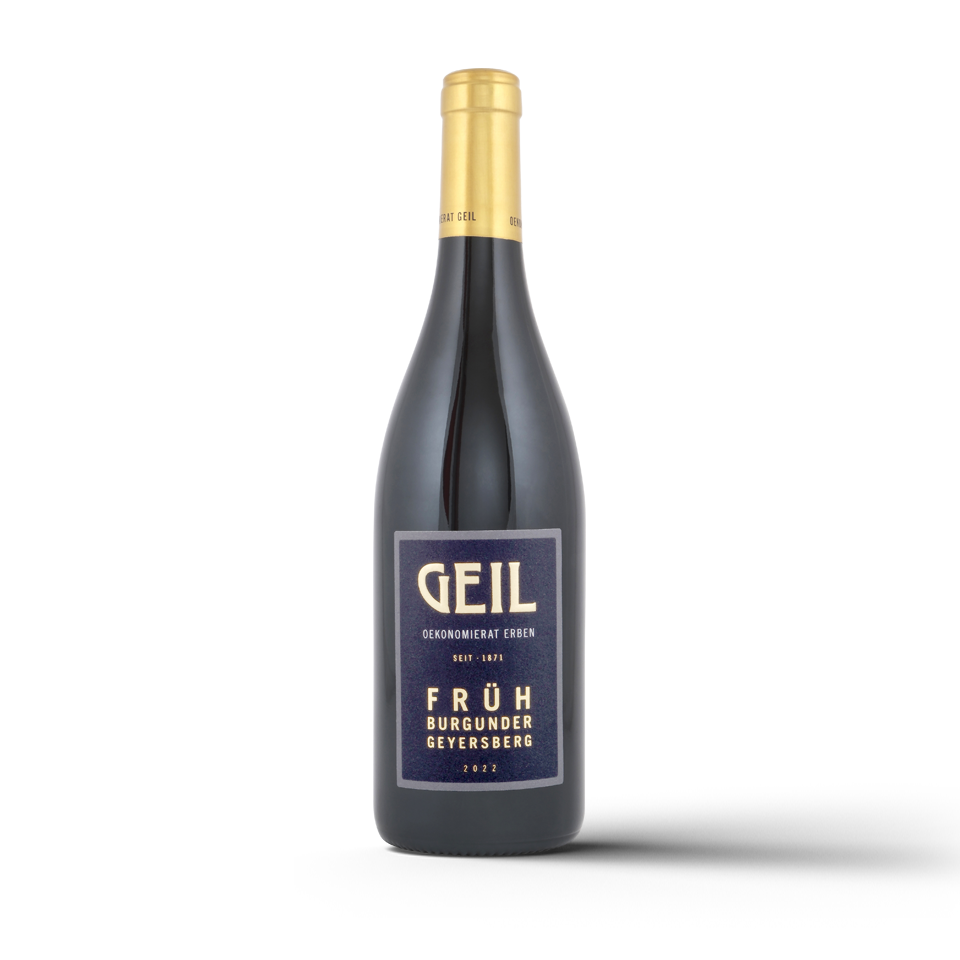
Winery Geil Geyersberg Frühburgunder 2022
Rheinhessen, Germany
27.90 €

incl. VAT plus shipping


0.75 l,  37.20 €/l
in stock

Frequently asked questions (FAQ) about Pinot Noir wine

What does a typical red wine from the Pinot Noir grape variety taste like?

A classic Frühburgunder is characterised by its intense fruitiness. Compared to its "big brother", Pinot Noir, Frühburgunder often has darker flavours. You will find notes of ripe blackberry, black cherry and dark forest berries, often paired with a subtle hint of smoke and violets.

What is the structure of Pinot Noir in terms of acidity and tannins?

The Frühburgunder grape variety is known for its particularly soft mouthfeel. It generally has less acidity than Pinot Noir, which makes it very supple and accessible on the palate. The tannins of Frühburgunder are usually fine-grained and velvety, which gives the wine an elegant fullness without appearing brittle.

Is Pinot Noir a light or a full-bodied wine?

Although it belongs to the Burgundy family, Frühburgunder tends to have a higher extract maturity. This means that an Frühburgunder is often somewhat stronger, more full-bodied and more colourful than a classic Spätburgunder. It has a natural opulence that makes it appear very high quality.

Where does the Frühburgunder grape variety originally come from?

Frühburgunder is a natural mutation ofPinot Noir. It was selected centuries ago because it ripens earlier. After the Frühburgunder grape variety was almost extinct in the 1960s, it was saved by the Geisenheim Research Centre and dedicated winegrowers in the Ahr region.

In which regions does Pinot Noir grow best today?

The undisputed centre for Pinot Noir is the Ahr Valley. Here, the vine finds ideal conditions on the steep slate cliffs. However, first-class wines from the Frühburgunder grape variety are also produced in Rheinhessen, Franconia and the Palatinate.

Which food pairing goes best with the Frühburgunder grape variety?

The velvety structure of the Frühburgunder grape variety makes it the ideal partner for fine meat dishes. I particularly recommend it with saddle of venison, pink roast duck breast or a classic mushroom risotto. An Frühburgunder is also a revelation with strong poultry dishes such as pheasant.

What is the biggest difference between Pinot Noir and Pinot Noir?

The most obvious difference is the time of harvest, but in terms of taste, Frühburgunder is often the more "masculine" variety: it is usually darker in colour, softer in acidity and more intense in body than the often more delicate Spätburgunder. In addition, the yields of Frühburgunder are naturally lower, which increases the concentration.

Why is the Frühburgunder grape variety less common on the market than other varieties?

The Frühburgunder grape variety is extremely demanding to grow. The berries are small and the skins thin, which makes them susceptible to rot and wasp damage. As the yield is also very low, Frühburgunder is often only produced in small quantities by specialised wineries, making it a real rarity.

You can find information on other grape varieties here.

Discover more grape varieties for red wines.

Gamay

Gamay is a red grape variety that is mainly cultivated in the French region of Beaujolais. The wines are light to medium-bodied, with low tannins and lively acidity. Gamay wines show flavours of red fruits such as strawberry, red cherry or raspberry, complemented by floral notes.

Read more

Merlot

Merlot is a red grape that is one of the three major Bordeaux varieties. It is cultivated worldwide, but is particularly widespread in France and California. The wines are medium to full-bodied, with rather soft tannins and moderate acidity. Merlot wines typically show aromas of red and black fruits such as cherry, plum and blackcurrant, complemented by notes of vanilla, chocolate and spices. The grape is often used in cuvees such as Bordeaux wine.

Read more

Montepulciano

Montepulciano is a red grape variety that is mainly grown in central Italy. Its wines are full-bodied, rich in extract, with strong alcohol and moderate acidity. They typically show flavours of dark fruits such as plums and cherries, often complemented by spicy or tobacco notes.

Read more

Regent

Regent is a new red variety from Germany. It was developed in the late 1960s, primarily with the aim of creating a high-yielding and disease-resistant red variety - and it was quite successful.

Read more

Syrah

The French Rhone Valley is the home of Syrah, a red grape variety that can also be found in the USA and especially in Australia, where it is usually known as Shiraz. The two names are as different as the respective styles with which the genetically identical grape varieties are vinified.

Read more

Tempranillo

Tempranillo is a red grape variety that is mainly grown in Spain and forms the basis of many well-known Spanish wines, such as in Rioja and Ribera del Duero. The early-ripening vine usually produces wines with a strong, deep red colour and aromas of red fruits such as cherries and plums as well as spices such as cinnamon and cloves.

Read more

Discover more grape varieties for white wines.

Müller-Thurgau)

Müller-Thurgau is a white variety that is mainly cultivated in Germany and Austria. The wines are light to medium-bodied, with moderate acidity and a strong flavour, usually with a typical muscat tone. Müller-Thurgau wines are usually dry or semi-dry and vinified in steel tanks.

Read more

Muscat/Muskateller

Muscat, also known as Muscat or Moscato, is not so much a single grape variety as a fairly large family of grape varieties that is widespread throughout the world and includes both wine grapes and table grapes.

Read more

Scheurebe

in 1916, the Swiss vine researcher Georg Scheu bred a new variety at the State Institute for Vine Breeding in Alzey, which he initially thought was a cross between Riesling and Silvaner.

Read more

Weißburgunder

The Pinot Blanc grape - called Pinot Blanc in France and Pinot Bianco in Italy - is the lightest-coloured member of the large Burgundy family. The variety produces fresh, fruity wines whose acidity can vary from moderate to strong depending on the style and which develop delicate fruit flavours such as apples, pears or citrus fruits, often complemented by nutty notes such as almonds.

Read more

Welschriesling

Welschriesling is a white grape variety that is mainly cultivated in Austria and the wider Danube region of the former Austro-Hungarian Empire. Despite its name, it is not related to Riesling.

Read more

Riesling

Riesling is one of the best-known white grape varieties and is cultivated all over the world - first and foremost in Germany, of course. It is more flexible and versatile than almost any other grape.

Read more

Yout cart is empty.

Added to shopping cart
Subtotal
Go to shopping cart

Prices incl. VAT plus shipping costs.