Garganega grape variety

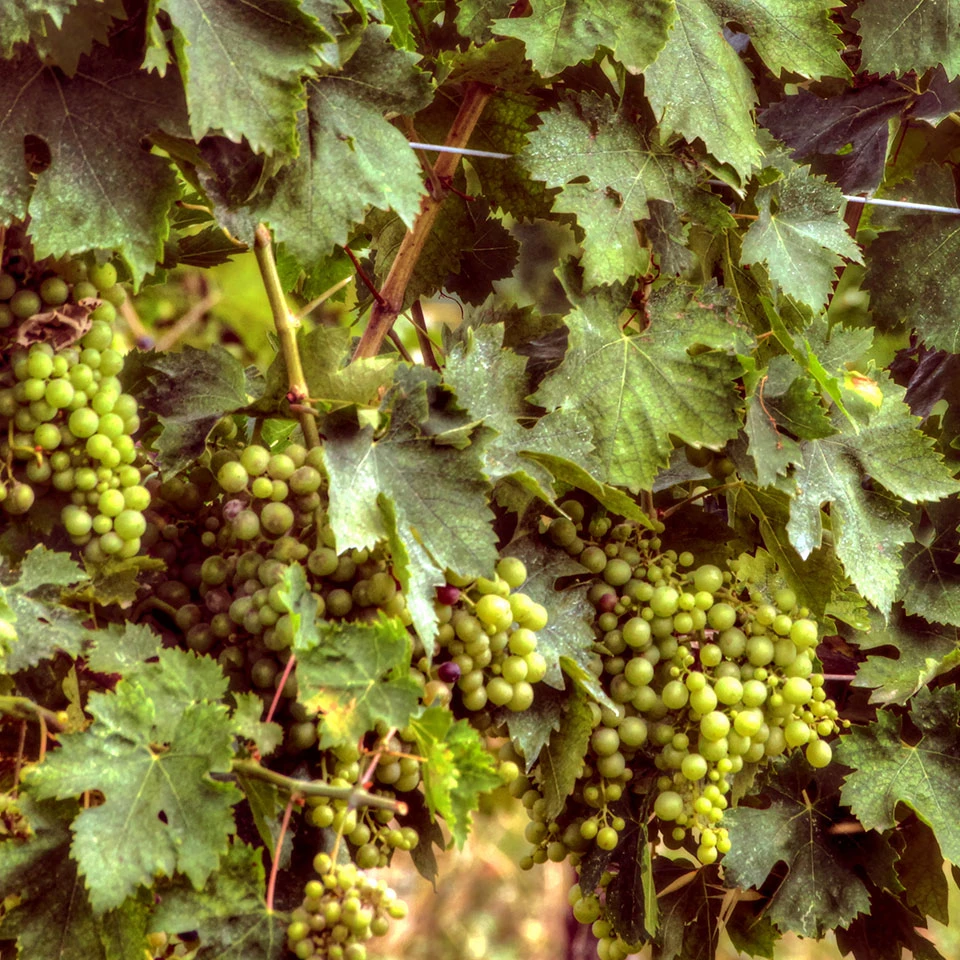
Garganega is a white grape variety that is mainly grown in the Italian region of Veneto. As little known as the variety is, as famous is the wine made from it: Soave. It is usually light to medium-bodied, with moderate acidity and plenty of finesse. The wines show flavours of citrus fruits, green apples, pears and flowers, complemented by almond and mineral notes that come from the volcanic terroir. They can be matured both in steel tanks and in wooden barrels, with the latter usually showing a certain oak flavour. Garganega is ideal as an aperitif or as an accompaniment to light dishes such as seafood, fish or cold antipasti. The wines should generally be drunk young to enjoy their freshness and fruitiness, but high-quality Soave, especially Soave Classico, can also develop remarkable ageing potential if yields are strictly reduced.
Frequently asked questions (FAQ) about Garganega

What is the typical flavour profile of the Garganega grape variety?

Garganega is known for its elegance and fine flavour. On the nose, you will often find notes of white flowers (elderberry, hawthorn), citrus fruits and ripe apricots. The absolute trademark in the flavour, however, is a fine almond note (ambertume) in the finish. It is rarely "loud" or perfumed, but rather precise and polished.

Are Garganega wines always dry or are there also sweet varieties?

The grape variety is a real quick-change artist! Garganega is usually vinified dry (as Soave or Gambellara). But it is also ideal for the appassimento process (drying the grapes). This produces the famous Recioto di Soave - a sweet dessert wine that tastes of honey, sultanas and candied fruit.

What structure and mouthfeel does Garganega bring to the glass?

Garganega does not have an extremely aggressive acidity by nature (unlike Riesling, for example), but retains enough freshness. The mouthfeel is often creamy to melting, especially if the wine has been allowed to age on the lees (sur lie). One often speaks of an "oily" texture in very high-quality examples, which wonderfully coats the palate.

Which glass should you use for a Garganega wine?

A standard white wine glass is sufficient for simple qualities. However, if you are drinking a high-quality Soave Classico or a mature Garganega, it is better to use a slightly wider Burgundy goblet. The fine almond and floral aromas need a little space and air to develop.

In which wine-growing region does Garganega reach its absolute peak?

Clearly in Veneto (Veneto) in northern Italy. It is the main protagonist in the famous white wines Soave and Gambellara. The best qualities are produced particularly in the historic core region, the Soave Classico. It hardly plays a role outside of Italy; it is a true Italian patriot.

What influence do volcanic soils have on the flavour of Garganega?

This is the decisive factor for top quality! In the Soave Classico region, Garganega often grows on black basalt (volcanic soil). This gives the wine a noticeable saltiness and a cool, stony minerality. These soils prevent the wine from becoming too "broad" and instead give it tension and finesse.

What is the perfect food pairing for a dry Garganega (Soave)?

A classic Garganega literally cries out for Italian cuisine, but not for pizza, but for risotto. A risotto with seafood, peas or asparagus is perfect. Its medium body also makes it an excellent accompaniment to grilled fish, veal or polenta dishes.
Tip: Try it with baccalà mantecato (Venetian stockfish cream).

At what temperature does Garganega taste best?

Please do not serve it ice cold!

  • Simple, young wines: 8-10 °C.
  • Complex single-vineyard wines from Garganega: 10-12 °C. If it is too cold, the beautiful melting flavour disappears and the almond note does not come into its own.

Should a dry Garganega be drunk young or can it be stored?

This is the best-kept secret of this variety: a simple Soave is intended for immediate consumption (within 2 years). But a top Garganega (Soave Classico Superiore) can mature phenomenally! After 5 to 10 years, it develops flavours of beeswax, jam and flint, similar to a mature Chenin Blanc or Riesling.

How does Garganega differ from the ubiquitous Pinot Grigio?

Both often come from the Veneto region, but are fundamentally different. A Pinot Grigio is often pleasing, light and fruity (pear/apple), but sometimes a little one-dimensional. Garganega, on the other hand, offers more structure, is spicier, more floral and has that characteristic, slightly bitter almond touch on the finish, which makes it more exciting for food pairings.

Why is Garganega often blended with the Trebbiano grape variety?

In the past, this was often done to increase the quantity and adjust the acidity, as Trebbiano is very neutral and high in acidity. Today, however, quality winemakers often opt for 100% Garganega (or "Garganega in purezza") to show the unadulterated character of the terroir. A pure Garganega almost always has more character than a blend.

Here you can find information on other grape varieties.

Yout cart is empty.
Added to shopping cart
Subtotal
Go to shopping cart

Prices incl. VAT plus shipping costs.