Grape variety Lemberger/
Blaufränkisch

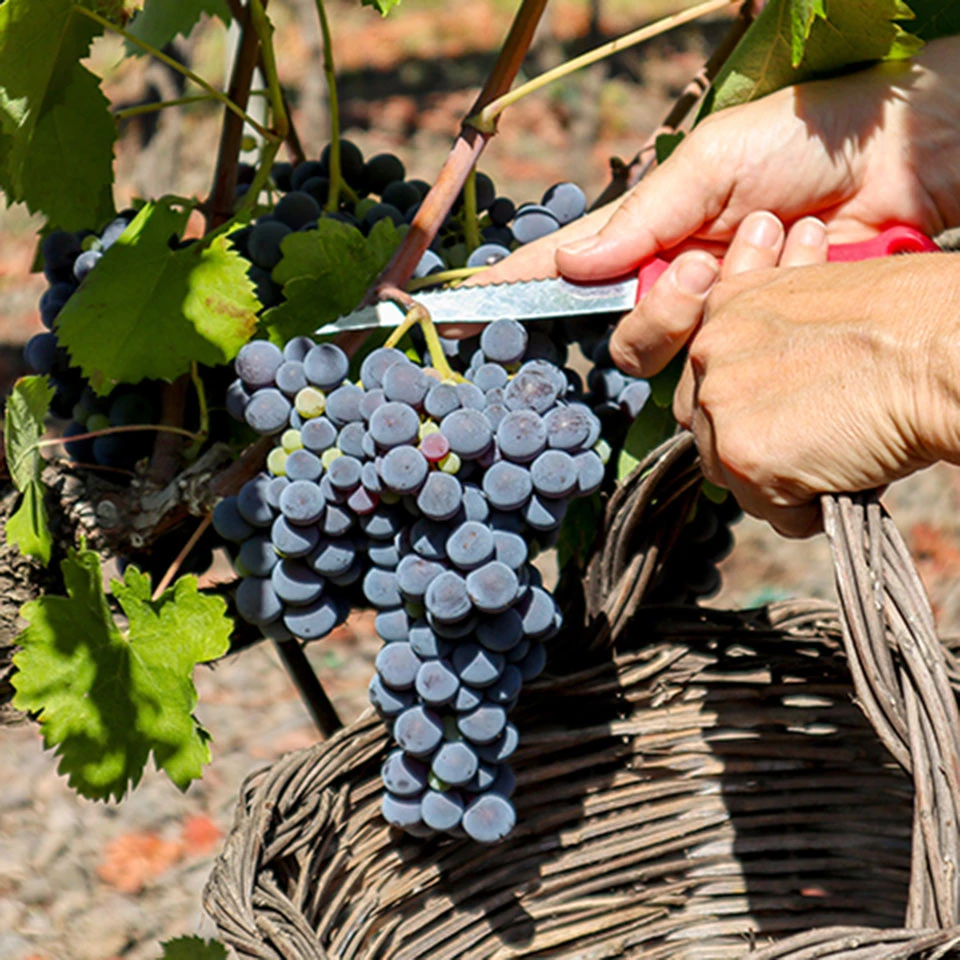
Lemberger, better known as Blaufränkisch in Austria, is a red grape variety that is mainly grown in southern Germany and Austria. The wines are medium to full-bodied, with moderate to strong tannins and fresh acidity. Lemberger wines have a great deal of finesse and the potential to reflect the terroir from which they originate. Aromas of dark berries such as blackberries and blackcurrants, complemented by notes of spice, chocolate and pepper, as well as mineral notes, define the complex flavour. The wines are suitable for ageing both in steel tanks and in wood. Lemberger is an excellent accompaniment to strong braised flavours such as lamb, goose or duck. Finer Blaufränkisch wines also show their class in vegetarian oven dishes.
Order Lemberger/Blaufränkisch wines online

Filter & Sort
Wine style
Country
Region
Winery
Vintage
Bottle size
Rating
Special features
Show results
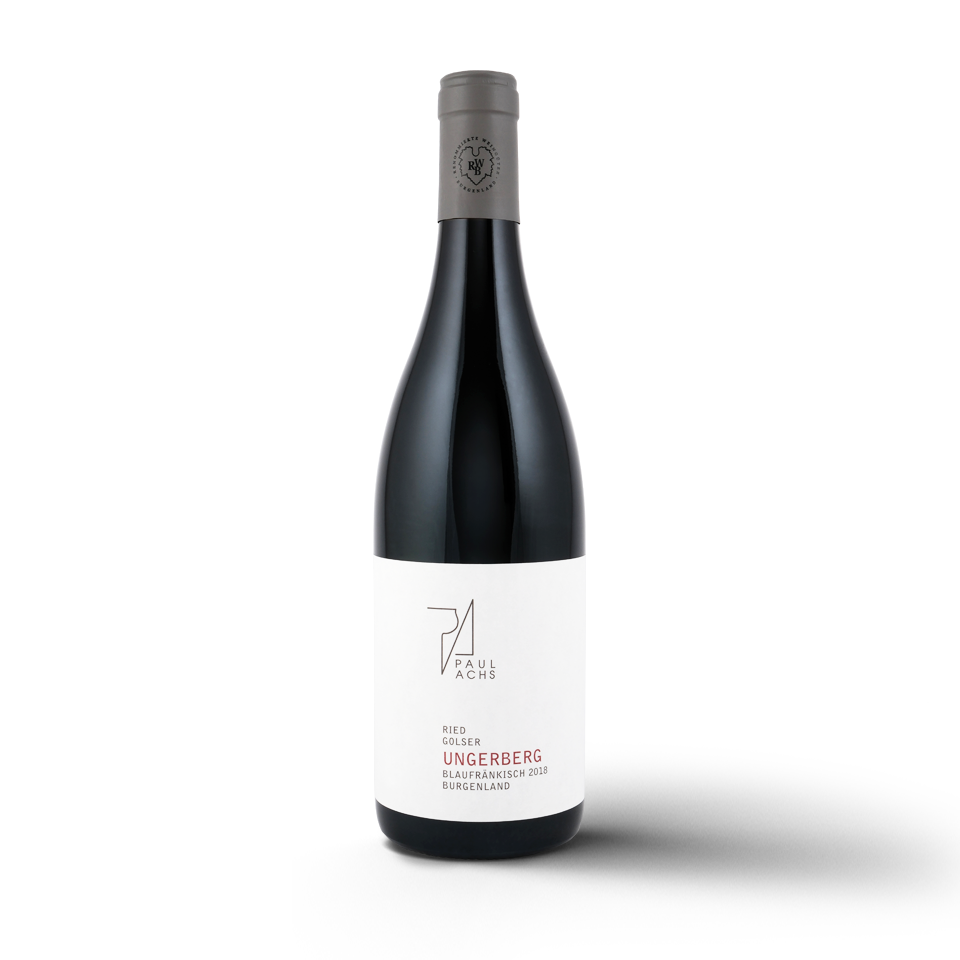
Winery Paul Achs Ungerberg Blaufränkisch 2018
97 Falstaff
BIO
Winery Paul Achs Ungerberg Blaufränkisch 2018
Neusiedlersee, Austria
49.90 €

incl. VAT plus shipping


0.75 l,  66.53 €/l
in stock
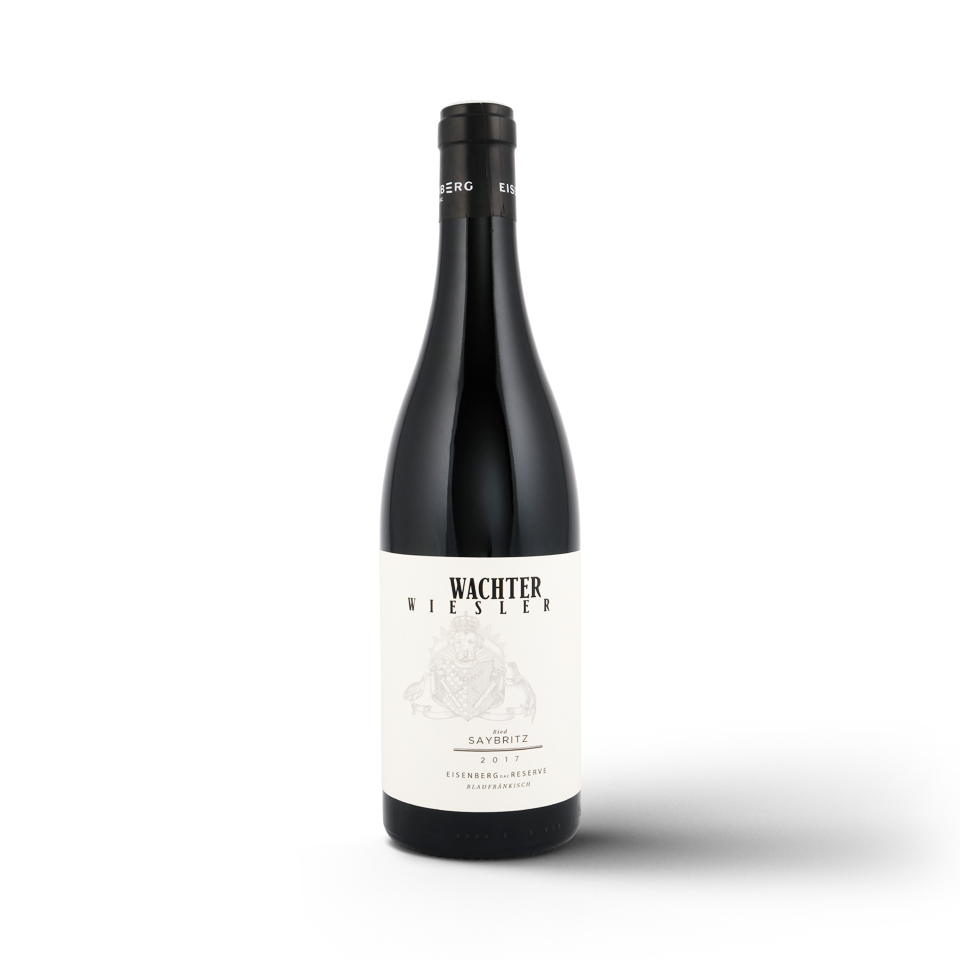
Winery Wachter Wiesler Saybritz Blaufränkisch Reserve 2017
94+ Parker
Winery Wachter Wiesler Saybritz Blaufränkisch Reserve 2017
Eisenberg, Austria
55.00 €

incl. VAT plus shipping


0.75 l,  73.33 €/l
in stock
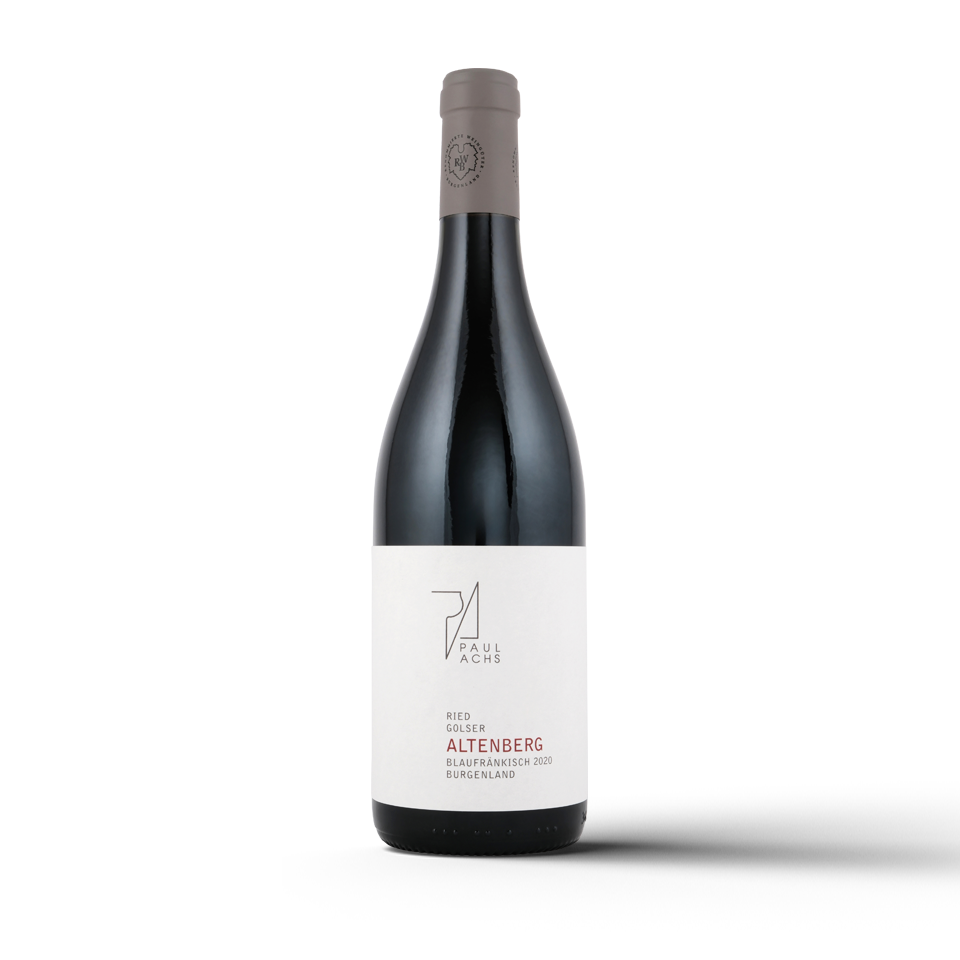
Paul Achs Blaufränkisch Altenberg 2020
98 Falstaff
BIO
Paul Achs Blaufränkisch Altenberg 2020
Neusiedlersee, Austria
58.00 €

incl. VAT plus shipping


0.75 l,  77.33 €/l
in stock

Frequently asked questions (FAQ) about Lemberger/Blaufränkisch wine

What does a classic red wine from the Lemberger/Blaufränkisch grape variety taste like?

The Lemberger/Blaufränkisch grape variety is known for its deep flavour. The nose is often dominated by dark berries such as blackberry and blueberry, accompanied by a distinctive cherry flavour. It is also characterised by a fine spiciness reminiscent of black pepper, juniper and dark chocolate.

What tannin and acidity structure characterises the Lemberger/Blaufränkisch grape variety?

One of the most striking characteristics of the Lemberger/Blaufränkisch grape variety is its strong but mostly fine-grained tannin structure. This is complemented by a lively, refreshing acidity that gives the wine structure and never makes it seem ponderous despite its strength. We sommeliers call this a "taut backbone".

Where does the Lemberger/Blaufränkisch grape variety grow best?

The Lemberger/Blaufränkisch grape variety shows its true mastery in two regions in particular: in the Austrian Burgenland (especially in central Burgenland, also known as "Blaufränkischland") and in the German Württemberg. Excellent examples can also be found in Hungary (under the name Kékfrankos) and in parts of Washington State (USA).

Which food pairing goes best with a wine made from the Lemberger/Blaufränkisch grape variety?

Thanks to its spicy structure, Lemberger/Blaufränkisch is an ingenious partner for savoury cuisine. It harmonises perfectly with game dishes (venison, stag), rack of lamb or classic roast onions. The Lemberger/Blaufränkisch grape variety is also a delight with hearty stews or braised meat in a dark sauce.

Does the Lemberger/Blaufränkisch grape variety benefit from decanting?

Absolutely! Young, powerful Lemberger/Blaufränkisch wines in particular need oxygen to open up. Allow the wine one to two hours in the carafe. It will become noticeably more harmonious and the fruit will emerge more clearly.

How does the Lemberger/Blaufränkisch grape variety differ from Pinot Noir?

While Pinot Noir is more delicate, light-coloured and more acidic, Lemberger/Blaufränkisch is much darker, stronger and spicier. It has more grip on the palate and a more rustic (in a positive sense, more savoury) elegance compared to the silky Pinot Noir.

Why does the Lemberger/Blaufränkisch grape variety actually have two names?

Botanically, they are the same grape variety. "Blaufränkisch" is the traditional name in Austria and Eastern Europe, while "Lemberger" is mainly used in Germany (Württemberg). In recent years, however, more and more German winegrowers have been using the name Blaufränkisch for their internationally orientated top wines.

Discover more grape varieties for red wines.

Caberlot

Caberlot promises to be exactly what its name suggests and is one of the most unusual grape varieties in Italy - and perhaps also one of the most exclusive.

Read more

Carmenère

Carmenère gilt als die "Signature Grape" Chiles. Fast die Hälfte der weltweiten Bestände wachsen dort. Ursprünglich stammt die Sorte aber aus Bordeaux, wo vor der Reblauskatastrophe weit verbreitet war. 

Read more

Malbec

Malbec is a red grape variety that originally comes from France and is now mainly cultivated in Argentina. The wines are deep red in colour and full-bodied, with medium to high tannin and acidity. Malbec wines typically show flavours of dark fruits such as plum and blackberry, complemented by spicy and chocolate notes.

Read more

Syrah

The French Rhone Valley is the home of Syrah, a red grape variety that can also be found in the USA and especially in Australia, where it is usually known as Shiraz. The two names are as different as the respective styles with which the genetically identical grape varieties are vinified.

Read more

Zinfandel

The Zinfandel grape variety is mainly grown in California and produces powerful, extremely powerful and dense red wines, usually with a high alcohol content. The flavour is characterised by aromas of ripe, dark berries and fruits such as blackberry, cherry and plum as well as spicy notes of cinnamon, cloves, chocolate and pepper.

Read more

Nebbiolo

Nebbiolo is one of Italy's great noble grape varieties. It is mainly cultivated in Piedmont. The wines are medium to full-bodied, with extremely strong tannins, usually very rough when young, and high acidity. Nebbiolo wines typically show flavours of red fruits such as plum, cherry and red berries, accompanied by more edgy tones such as tobacco and leather.

Read more

Discover more grape varieties for white wines.

Elbling

Elbling is a very old white grape variety with a long history that is mainly cultivated in Germany, particularly along the upper Moselle. The wines are light, fresh and sparkling, with a strong, marked acidity and low alcohol content - which makes Elbling particularly interesting as a base wine for sparkling wines.

Read more

Furmint

Hardly any other grape variety is as closely associated with a country and its most famous wine as Furmint is with Hungary and Tokaj. The white variety is considered the heart and soul of the legendary sweet wine - and is also experiencing a remarkable renaissance as a dry wine.

Read more

Kisi

Kisi is one of the oldest indigenous grape varieties in Georgia - and yet it had almost disappeared. It was not until the 1990s that it was rediscovered and systematically recultivated in the Kakheti region. Today, it is regarded as a symbol of the renaissance of Georgian viticulture and combines tradition, originality and modern elegance.

Read more

Grüner Veltliner

Grüner Veltliner is a white grape variety grown mainly in Austria and is the country's best-known grape. The wines are light to medium-bodied, with moderate acidity and a characteristic pepper aroma that is often compared to white peppercorns or radishes.

Read more

Müller-Thurgau)

Müller-Thurgau is a white variety that is mainly cultivated in Germany and Austria. The wines are light to medium-bodied, with moderate acidity and a strong flavour, usually with a typical muscat tone. Müller-Thurgau wines are usually dry or semi-dry and vinified in steel tanks.

Read more

Riesling

Riesling is one of the best-known white grape varieties and is cultivated all over the world - first and foremost in Germany, of course. It is more flexible and versatile than almost any other grape.

Read more

You can find information on other grape varieties here.

Yout cart is empty.

Added to shopping cart
Subtotal
Go to shopping cart

Prices incl. VAT plus shipping costs.