Grape variety Trebbiano/
Ugni Blanc

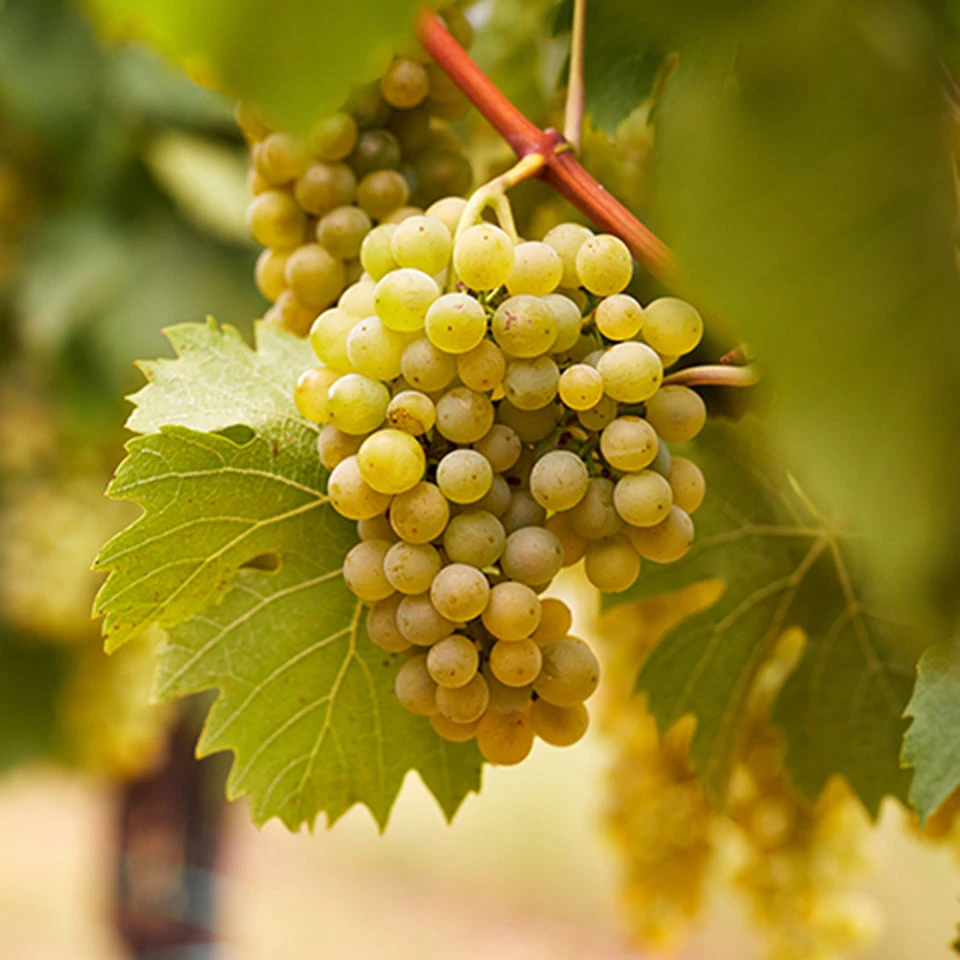
The Italian Trebbiano is one of the most widely cultivated grape varieties in the world and is known for its lively acidity and freshness. The wines have a light, straw-yellow colour and a light, fresh aroma of citrus fruits and apples. Due to their high acidity, they are often used as the basis for the production of vermouth and balsamic vinegar. In some regions, Trebbiano wines are also enjoyed as a light table wine that goes well with light dishes. The grape variety is mainly grown in Italy, but also in other parts of the world, often as a base wine for brandy distillation including France, Spain and Australia. Wines made from the Trebbiano grape variety are often dry and refreshing with a low alcohol content, making them ideal wines for everyday enjoyment.
Order Trebbiano/Ugni Blanc wines online

Filter & Sort
Wine style
Country
Region
Winery
Vintage
Bottle size
Rating
Special features
Show results
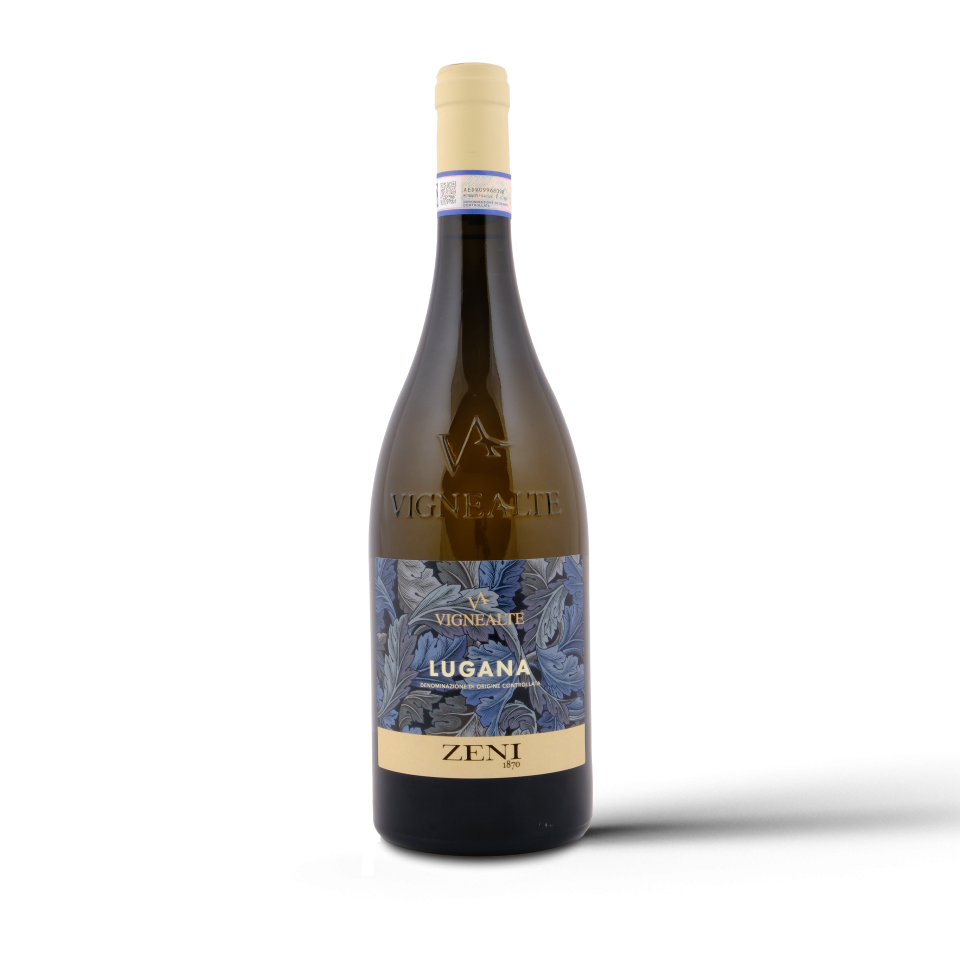
Cantina Ottella Lugana 2023
Lombardei, Italy
13.95 €

incl. VAT plus shipping


0.75 l,  18.60 €/l
in stock
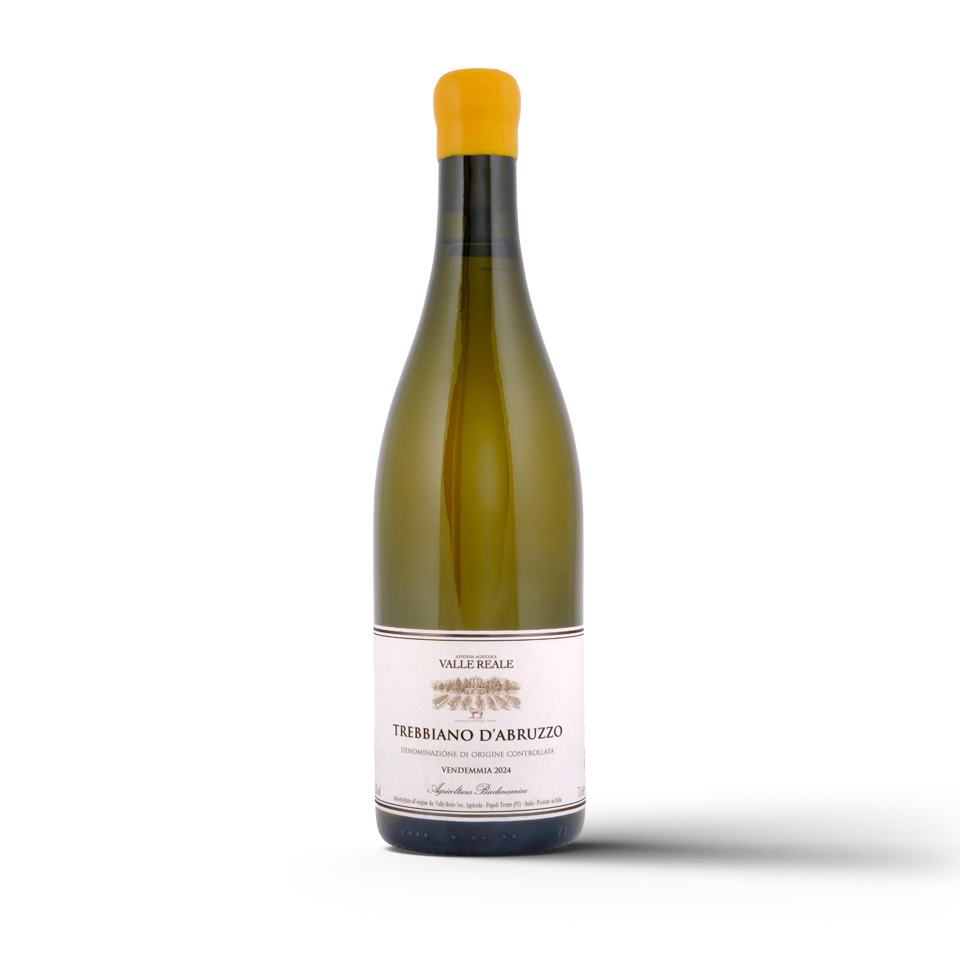
Valle Reale Trebbiano d'Abruzzo 2024
BIO
Valle Reale Trebbiano d'Abruzzo 2024
Abruzzen, Italy
19.50 €

incl. VAT plus shipping


0.75 l,  26.00 €/l
in stock
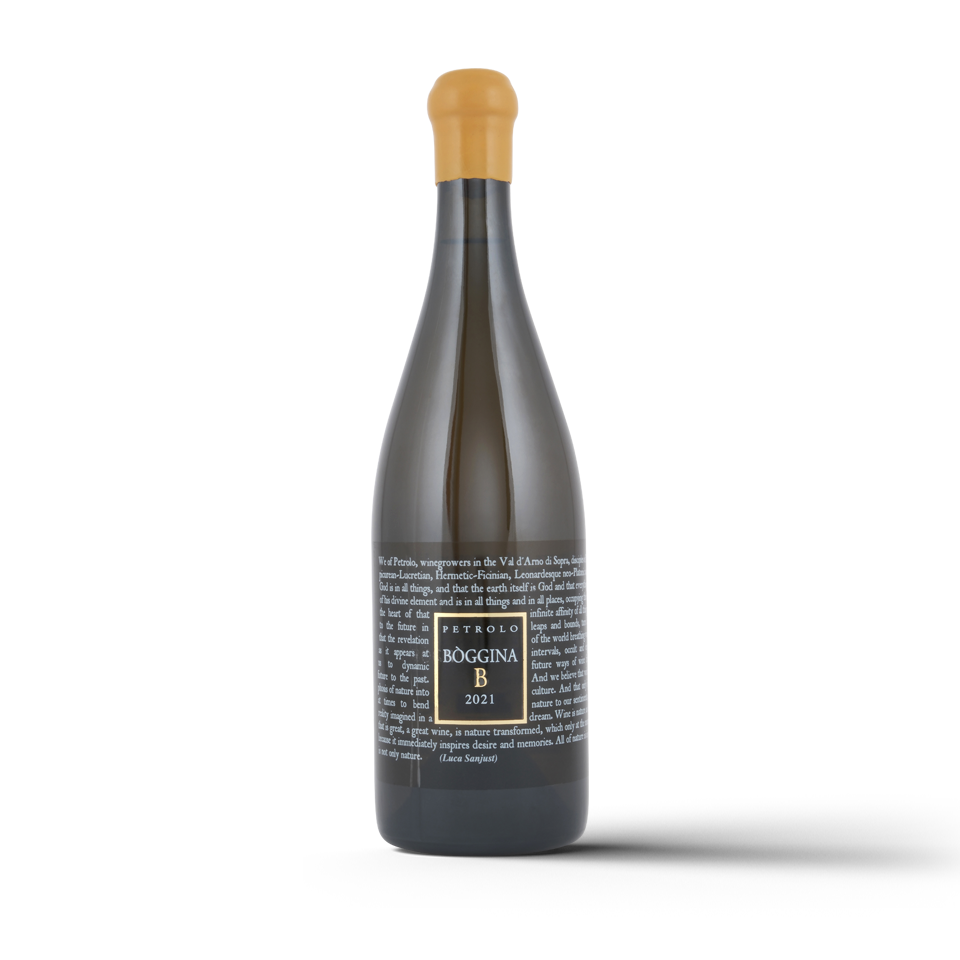
Winery Petrolo Boggina B 2021
98 Suckling
BIO
Winery Petrolo Boggina B 2021
Toskana, Italy
59.00 €

incl. VAT plus shipping


0.75 l,  78.67 €/l
in stock

Frequently asked questions (FAQ) about Trebbiano/Ugni Blanc

What does a typical white wine from the Trebbiano/Ugni Blanc grape variety taste like?

Wines made from the Trebbiano/Ugni Blanc grape variety are usually light, dry and very refreshing. They are rather restrainedly aromatic, which we sommeliers often refer to as a "neutral profile". This makes them perfect thirst-quenchers that don't overwhelm with overly rich fruit flavours.

What flavours are characteristic of the Trebbiano/Ugni Blanc grape variety?

When you smell a glass of Trebbiano/Ugni Blanc, you will usually find subtle notes of citrus fruit (lemon, lime), green apple and white flowers. Occasionally there is a fine mineral note or a hint of almonds on the finish.

How can the acidity structure of the Trebbiano/Ugni Blanc grape variety be described?

The most striking characteristic of the Trebbiano/Ugni Blanc grape variety is its high, lively acidity. The grape retains this freshness even in hot growing regions. The body is usually rather lean, which makes the wine appear very straightforward and lively.

Where does the Trebbiano/Ugni Blanc grape variety originally come from and why does it have two names?

The Trebbiano/Ugni Blanc grape variety most likely has its roots in Italy (as Trebbiano). It arrived in France as early as the 14th century, where it spread under the name Ugni Blanc (or Saint-Émilion). Botanically, it is the same plant that has adapted to the respective region.

In which wine regions around the world is the Trebbiano/Ugni Blanc grape variety most widespread today?

In Italy, the Trebbiano/Ugni Blanc grape variety can be found almost everywhere, but especially in Tuscany, Abruzzo and Lazio (Frascati). In France, it is the most widely cultivated white grape variety, concentrated in the Cognac and Armagnac regions as well as in Provence and Languedoc.

What influence does the terroir have on the quality of the Trebbiano/Ugni Blanc grape variety?

The Trebbiano/Ugni Blanc grape variety is fairly undemanding, but prefers chalky soils. These soils support the grape's natural acidity. In cooler locations, it remains very lively, while in warm coastal regions it can develop a little more body and Mediterranean herbal notes.

What food harmonises best with a wine made from the Trebbiano/Ugni Blanc grape variety?

Here, the Trebbiano/Ugni Blanc grape variety is an uncomplicated companion. It goes perfectly with light antipasti, fresh seafood salad, grilled fish or pasta with light-coloured sauces. Thanks to its high acidity, it also cuts wonderfully through fatty dishes such as fried calamari.

Why is the Trebbiano/Ugni Blanc grape variety so often used in the production of Cognac and Armagnac?

This is its most important job! The Trebbiano/Ugni Blanc grape variety is perfect for distillation because it has little sugar (low alcohol in the base wine) and extremely high acidity. This protects the wine from spoiling and concentrates the fine flavours during distillation without the alcohol becoming too dominant.

What is the biggest difference between the Trebbiano/Ugni Blanc grape variety and a Chardonnay?

While a Chardonnay is often characterised by body, smoothness and buttery notes (when aged in wooden barrels), the Trebbiano/Ugni Blanc grape variety is the complete opposite: lean, taut, acidic and without any noticeable "fat".

Lorem ipsum dolor?

Careful, it gets technical here: there is a whole family of Trebbiano varieties. The Trebbiano/Ugni Blanc (Trebbiano Toscano) grape variety discussed here is the most common. However, there is also Trebbiano di Soave or Trebbiano di Lugana (Turbiana), which are genetically more similar to Verdicchio and often produce higher quality, more independent wines.

Discover more grape varieties for white wines.

Silvaner

Silvaner is a white grape variety that originated in Austria, but is now most widespread in Germany, where it plays an important role alongside Riesling. Other noteworthy stocks can still be found in Alsace in France. The wines are known for their freshness, minerality and sometimes strong, earthy character.

Read more

Weißburgunder

The Pinot Blanc grape - called Pinot Blanc in France and Pinot Bianco in Italy - is the lightest-coloured member of the large Burgundy family. The variety produces fresh, fruity wines whose acidity can vary from moderate to strong depending on the style and which develop delicate fruit flavours such as apples, pears or citrus fruits, often complemented by nutty notes such as almonds.

Read more

Sauvignon Blanc

Sauvignon Blanc is one of the best-known white grape varieties in France. It actually originated in the Loire - but is now cultivated worldwide as the second most important noble variety after Chardonnay. New Zealand in particular has become the second home of Sauvignon Blanc.

Read more

Chardonnay

Chardonnay is the most widely cultivated white premium grape variety. Its origins probably lie in Burgundy, but today it is grown all over the world. One of the reasons for its success is its enormous ability to adapt to a wide range of conditions.

Read more

Furmint

Hardly any other grape variety is as closely associated with a country and its most famous wine as Furmint is with Hungary and Tokaj. The white variety is considered the heart and soul of the legendary sweet wine - and is also experiencing a remarkable renaissance as a dry wine.

Read more

Grüner Veltliner

Grüner Veltliner is a white grape variety grown mainly in Austria and is the country's best-known grape. The wines are light to medium-bodied, with moderate acidity and a characteristic pepper aroma that is often compared to white peppercorns or radishes.

Read more

Discover more grape varieties for red wines.

Mourvèdre/Monastrell

Mourvèdre is a red grape variety that is mainly grown in the south of France and Spain, where it is known as Monastrell. The wines are deep-coloured, medium to full-bodied, with high, often rough tannins when young and moderate to high acidity.

Read more

Pinot Noir

Pinot Noir, or Pinot Noir, is a red grape variety that is widely grown around the world today and is also the basis for some of the rarest and most exquisite wines in the world. The variety has a very long tradition of excellence, particularly in France (especially in Burgundy) and Germany (in the Ahr and Baden regions).

Read more

Saperavi

Saperavi means "dyer" - and it is indeed one of the few red wine varieties whose skin and flesh are coloured. This explains the almost inky black colour and the intense personality of its wines.

Read more

Tempranillo

Tempranillo is a red grape variety that is mainly grown in Spain and forms the basis of many well-known Spanish wines, such as in Rioja and Ribera del Duero. The early-ripening vine usually produces wines with a strong, deep red colour and aromas of red fruits such as cherries and plums as well as spices such as cinnamon and cloves.

Read more

Zweigelt

Zweigelt is a highly successful new red variety from Austria, whose parents are Blaufränkisch and St. Laurent. It produces violet/red wines with a deep colour and intense aromas such as cherry, red and blackcurrant or blackberry, as well as spicy notes such as vanilla or cinnamon.

Read more

Lemberger/Blaufränkisch

Lemberger, better known as Blaufränkisch in Austria, is a red grape variety that is mainly grown in southern Germany and Austria. The wines are medium to full-bodied, with moderate to strong tannins and fresh acidity. Lemberger wines have great finesse and the potential to reflect the terroir from which they originate.

Read more

Here you can find information on other grape varieties.

Yout cart is empty.

Added to shopping cart
Subtotal
Go to shopping cart

Prices incl. VAT plus shipping costs.