Trollinger grape variety

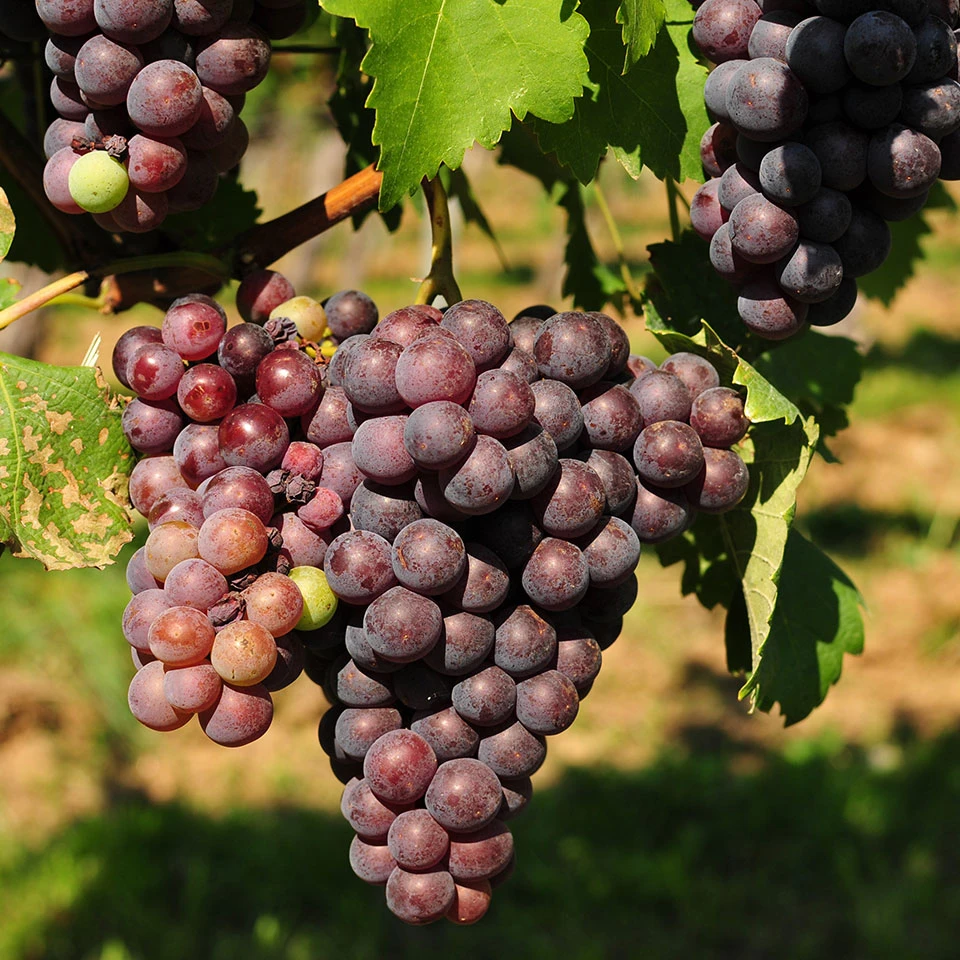
Trollinger is a red grape variety from southern Germany, particularly from the Württemberg region. The wines have a light, fruity flavour and are usually light and sparkling. As a rule, Trollinger wines have a low acidity and a light tannin structure, which makes them very accessible wines for everyday enjoyment. The colour of the wine is light red to ruby red and often has aromas of cherries and wild berries. The grape variety has a long history in Württemberg and is closely associated with the region. It is often served in combination with traditional dishes such as Maultaschen or Spätzle. Trollinger is also cultivated in other parts of Germany, albeit in smaller quantities than in Württemberg. In South Tyrol, the vine can be found under the name Vernatsch, while in other regions of Italy it is known as Schiava.
Frequently asked questions (FAQ) about Trollinger wine

What does a classically matured red wine from the Trollinger grape variety taste like?

A typical Trollinger is the opposite of a heavy "powerhouse". It is characterised by a bright, clear fruit that is reminiscent of red currants, sour cherries and raspberries. There is also often a subtle floral note reminiscent of violets and a hint of bitter almond on the finish.

What structure in terms of tannin and acidity characterises the Trollinger grape variety?

The Trollinger grape variety has a very delicate tannin structure. The tannins are barely noticeable, which makes the wine very soft. On the other hand, it has a juicy, refreshing acidity that makes it extremely easy to drink - in technical terms, this is also known as "drinkable".

Why is the colour of the Trollinger grape variety usually so light red and transparent?

This is due to the nature of the grape skin. The Trollinger grape variety has very large berries with a relatively thin skin that contains only a few colour pigments. As a result, the colour in the glass is often more reminiscent of a dark rosé or a light ruby red than a deep, dark red wine.

How does the Trollinger grape variety differ from its frequent cuvée partner Lemberger?

It is the interplay of "light and dark". While Trollinger is bright, light and acidic, Lemberger brings dark colour, strong tannins and structure to the blend. The cuvée of Trollinger and Lemberger is a Württemberg classic, as the two varieties complement each other perfectly.

In which region is the Trollinger grape variety mainly grown today?

Trollinger is the undisputed number one in Württemberg. Almost 99% of the German acreage planted with this variety is located here. It is more than just a wine there - it is a cultural asset and the daily "Viertele" of the locals.

What demands does the Trollinger grape variety place on the climate and location?

Although it is often regarded as uncomplicated, Trollinger is a bit of a diva in the vineyard. It ripens very late and therefore requires the best, warm hillside locations in order to develop to its full potential. It does not like frost in spring at all, which is why it feels particularly at home in the sheltered river valleys of the Neckar and Rems rivers.

How did the Trollinger grape variety originally come to Germany?

According to history, the Trollinger grape variety originally comes from southern Tyrol. The name is probably derived from "Tirolinger". Over the centuries, however, it has adapted so perfectly to the Württemberg climate that it is now considered absolutely indigenous.

Which dishes go best with a glass of Trollinger?

Trollinger is the perfect partner for down-to-earth, regional cuisine. It harmonises wonderfully with Maultaschen, roast onion or a hearty snack platter with bacon and mountain cheese. Thanks to its lightness, it also goes surprisingly well with white meat or vegetarian gratins.

What is the difference between the Trollinger grape variety and the South Tyrolean Vernatsch?

Botanically speaking, they are identical. The difference lies in the style: while the South Tyrolean Vernatsch is often very dry and mineral-alpine, the Württemberg Trollinger is often a somewhat juicier, fruitier style, sometimes even with a very subtle, traditional residual sweetness.

You can find information on other grape varieties here.

Yout cart is empty.
Added to shopping cart
Subtotal
Go to shopping cart

Prices incl. VAT plus shipping costs.