Zinfandel grape variety

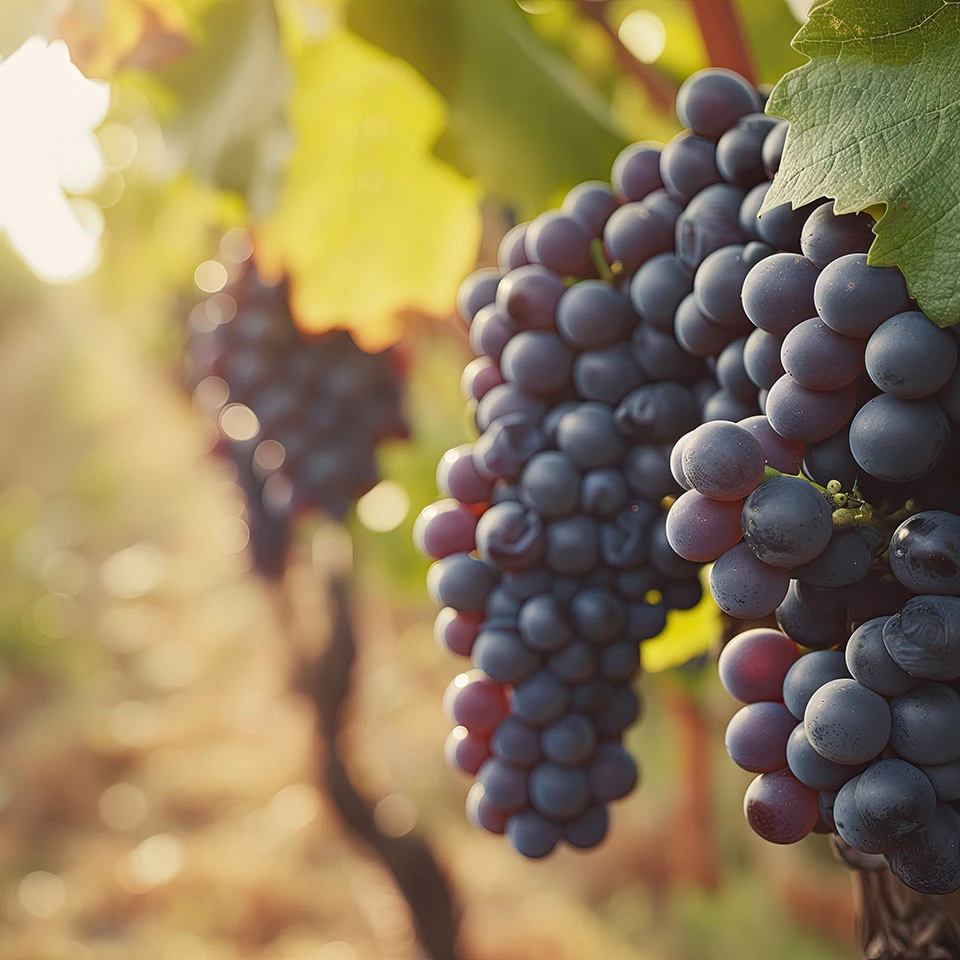
The Zinfandel grape variety is mainly grown in California and produces powerful, extremely powerful and dense red wines, usually with a high alcohol content. The flavour is characterised by aromas of ripe, dark berries and fruits such as blackberry, cherry and plum as well as spicy notes of cinnamon, cloves, chocolate and pepper. Its mostly moderate acidity and soft, round tannins ensure high accessibility early on. A slightly sweet flavour is also not uncommon. The variety is largely identical to the southern Italian Primitivo, although the style of vinification varies considerably. However, both varieties are clearly descended from the rare Croatian variety Crljenak Kaštelanski or Tribidrag.
Order Zinfandel wines online

Filter & Sort
Wine style
Country
Region
Winery
Vintage
Bottle size
Rating
Special features
Show results
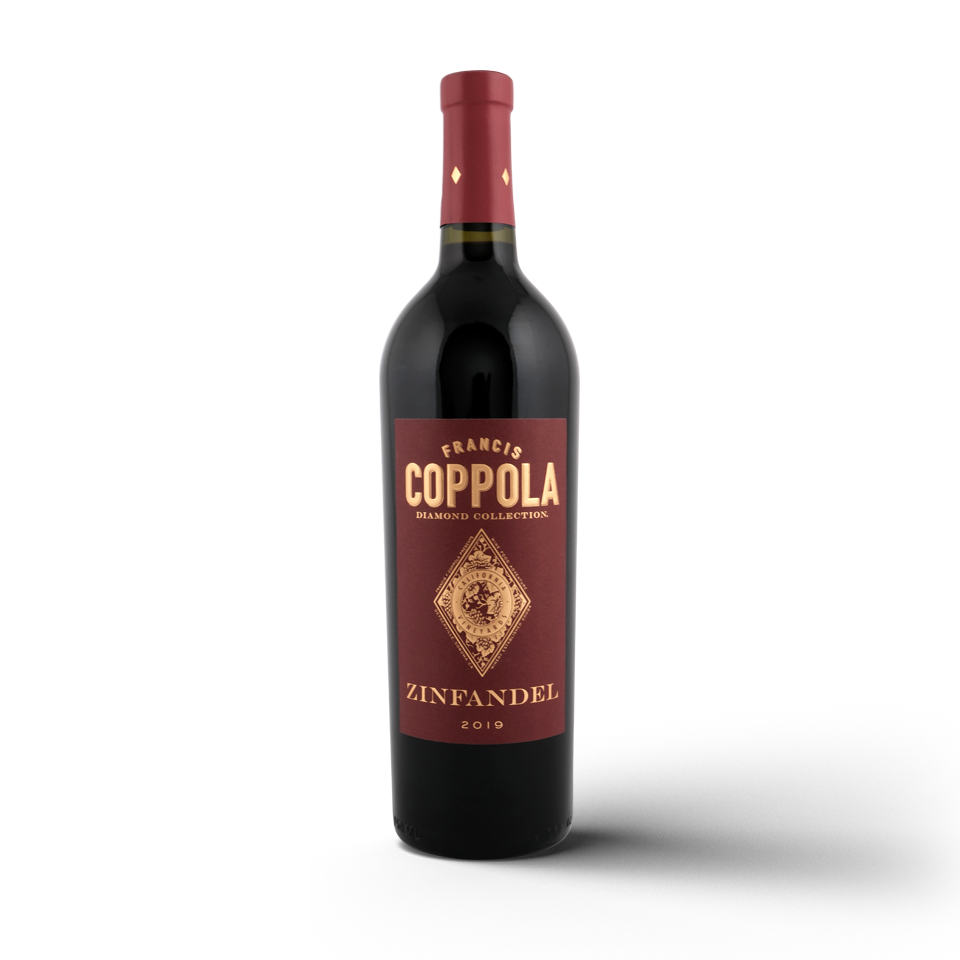
Francis Ford Coppola Winery Diamond Collection Zinfandel 2019
Offer - Sale
Francis Ford Coppola Winery Diamond Collection Zinfandel 2019
California - Napa Valley, United States
14.95 €
0.75 l,  19.93 €/l
in stock

Frequently asked questions (FAQ) about Zinfandel wine

What does a typical Zinfandel taste like and what are its key flavours?

A red Zinfandel is a real fruit bomb. It is often reminiscent of a jar of homemade jam. The dominant flavours are blackberry, raspberry and black cherry. Another typical flavour is a pronounced spiciness reminiscent of black pepper, aniseed or cloves. In stronger varieties, you will often also find notes of liquorice or dried fruit.

What is the structure of tannin and acidity in Zinfandel?

Zinfandel usually has a medium to high tannin content, with the tannins appearing soft and velvety rather than aggressive. The acidity is moderate to lively, which keeps the wine drinkable and balanced despite its often high alcohol content (often 14.5 % vol. and more). It usually feels full, rich and almost a little "creamy" in the mouth.

Why does Zinfandel often have such a high alcohol content?

This is due to a botanical peculiarity: the berries on the Zinfandel vine ripen unevenly. Whilst some are still green, others are already beginning to turn pink. In order to wait for most of the berries to fully ripen, winemakers accept a very high sugar content. As sugar is converted into alcohol during fermentation, the result is these powerful, full-bodied Zinfandel wines.

What is behind the term "White Zinfandel"?

Don't be fooled by the name: "White Zinfandel" is not a white wine, but a sweet rosé. It was created by chance in the 1970s. This wine is usually light pink in colour, low in alcohol and has a clear residual sweetness with aromas of strawberries and cream. It is an uncomplicated entry-level wine, but has little to do with the character of the great red Zinfandel wines.

Which regions in California are particularly known for high-quality Zinfandel?

California is the epicentre for Zinfandel. Particularly noteworthy is Lodi, the "Zinfandel capital", where there are extremely old vines. The Dry Creek Valley in Sonoma also produces first-class, spicy examples, while the Napa Valley is better known for opulent, structured Zinfandel styles.

What food harmonises best with a powerful Zinfandel?

Zinfandel is the ultimate barbecue wine (BBQ pairing). Its spicy notes go perfectly with smoky meat, spare ribs with barbecue sauce or juicy burgers. The combination with strong spices such as cumin or chilli (e.g. in Mexican or Moroccan cuisine) also works excellently, as the wine can stand up to the spiciness.

How does Zinfandel differ from Cabernet Sauvignon?

While Cabernet Sauvignon is known for its harsh tannins and flavours of blackcurrant and cedar, Zinfandel is much more "approachable" and softer. Zinfandel tends more towards red and blue fruits and often has that characteristic "pepper kick" on the finish that is rarely found in Cabernet.

What exactly is the difference between Zinfandel and the Italian Primitivo?

Genetically, they are identical, but the style differs in terms of terroir and production method. Italian Primitivo (mostly from Puglia) is often a little earthier, more rustic and shows more dried herbal notes. Californian Zinfandel, on the other hand, is usually more opulent, fruit-driven and often has a greater influence of oak (vanilla/smoke).

Discover more grape varieties for red wines.

Lemberger/Blaufränkisch

Lemberger, better known as Blaufränkisch in Austria, is a red grape variety that is mainly grown in southern Germany and Austria. The wines are medium to full-bodied, with moderate to strong tannins and fresh acidity. Lemberger wines have great finesse and the potential to reflect the terroir from which they originate.

Read more

Mourvèdre/Monastrell

Mourvèdre is a red grape variety that is mainly grown in the south of France and Spain, where it is known as Monastrell. The wines are deep-coloured, medium to full-bodied, with high, often rough tannins when young and moderate to high acidity.

Read more

Regent

Regent is a new red variety from Germany. It was developed in the late 1960s, primarily with the aim of creating a high-yielding and disease-resistant red variety - and it was quite successful.

Read more

Saperavi

Saperavi means "dyer" - and it is indeed one of the few red wine varieties whose skin and flesh are coloured. This explains the almost inky black colour and the intense personality of its wines.

Read more

Schwarzriesling

Schwarzriesling, also known as Pinot Meunier or Müllerrebe, is a red grape variety that is mainly native to France and Germany. In France, it plays an important role as a traditional component of the cuvée in Champagne in particular, while in southern Germany it is also often found as a rather simple, single-varietal still wine.

Read more

Trousseau Noir/Bastardo

Trousseau Noir is a red grape variety originating from the French Jura. While it only covers small areas there today, it now plays a much more relevant role on the Iberian Peninsula under its synonym Bastardo.

Read more

Discover more grape varieties for white wines.

Furmint

Hardly any other grape variety is as closely associated with a country and its most famous wine as Furmint is with Hungary and Tokaj. The white variety is considered the heart and soul of the legendary sweet wine - and is also experiencing a remarkable renaissance as a dry wine.

Read more

Gewürztraminer

Hardly any other grape variety polarises as much as Gewürztraminer. Its name alone reveals what it is all about: intensity, spice and an unmistakable spectrum of flavours ranging from lychee, bitter orange and rose petals to marzipan. It is not a subtle wine, nor is it meant to be. Some like it, others reject the cloud of flavours.

Read more

Pinot Gris

Pinot Gris, also known as Pinot Gris or Pinot Grigio, is a white grape variety grown in many wine regions such as France, Italy and Germany.

Read more

Müller-Thurgau)

Müller-Thurgau is a white variety that is mainly cultivated in Germany and Austria. The wines are light to medium-bodied, with moderate acidity and a strong flavour, usually with a typical muscat tone. Müller-Thurgau wines are usually dry or semi-dry and vinified in steel tanks.

Read more

Sémillon

Sémillon is a noble white grape variety that originates from France, but has now also found a home in the New World. The wines are known for their fruity flavours and full body. Dry Sémillon wines typically show flavours of lemon or lime, while the sweet and noble sweet varieties have apricot, peach, honey, candied fruit or nutty tones.

Read more

Silvaner

Silvaner is a white grape variety that originated in Austria, but is now most widespread in Germany, where it plays an important role alongside Riesling. Other noteworthy stocks can still be found in Alsace in France. The wines are known for their freshness, minerality and sometimes strong, earthy character.

Read more

Here you can find information on other grape varieties.

Yout cart is empty.
Added to shopping cart
Subtotal
Go to shopping cart

Prices incl. VAT plus shipping costs.