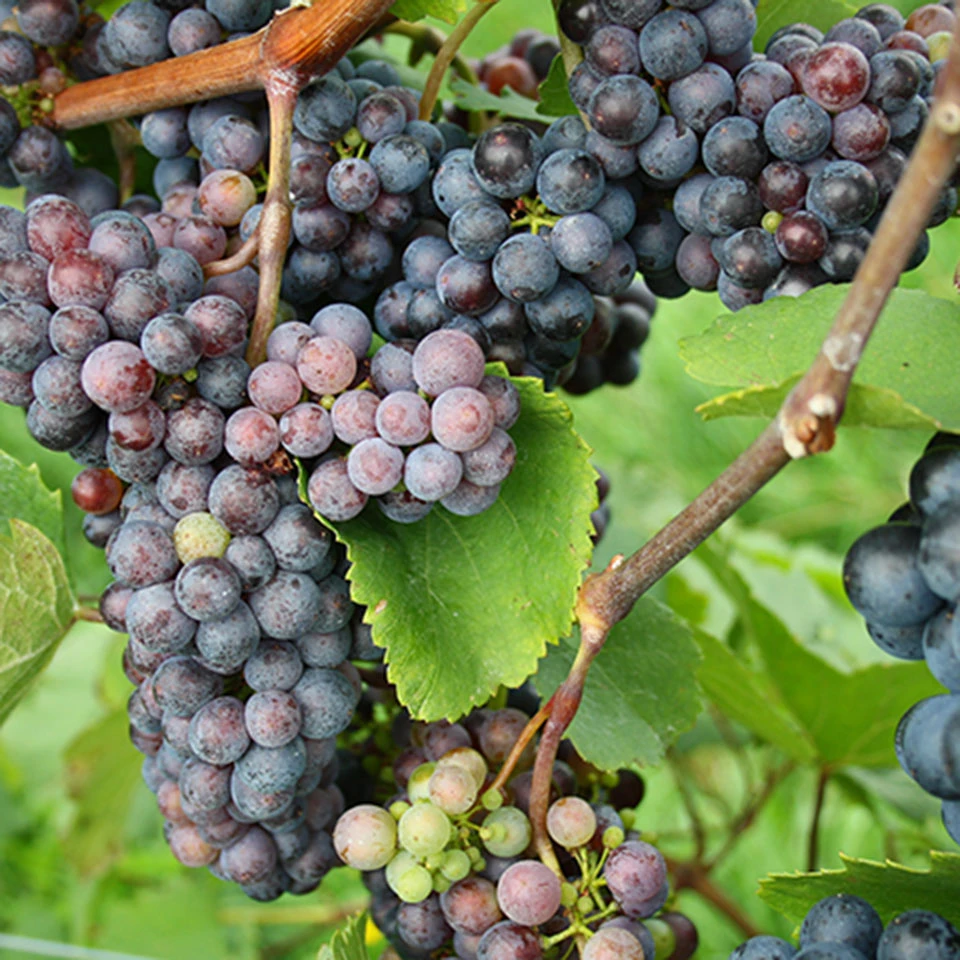
Zweigelt grape variety

Zweigelt is a highly successful new red variety from Austria, whose parents are Blaufränkisch and St. Laurent. It produces violet/red wines with a deep colour and intense aromas such as cherry, red and blackcurrant or blackberry, as well as spicy notes such as vanilla or cinnamon. Zweigelt generally shows soft, silky tannins when young and is therefore often ready to drink early. However, it also benefits particularly from ageing in barriques, developing depth and complexity. In its native Austria, it can be found both as a single-varietal wine and as part of a cuvée. Due to its powerful stature, it is suitable as an accompaniment to spicy dishes such as game or intensely flavoured stews such as ox cheeks.
Order Zweigelt wines online

Filter & Sort
Wine style
Country
Region
Winery
Vintage
Bottle size
Rating
Special features
Show results
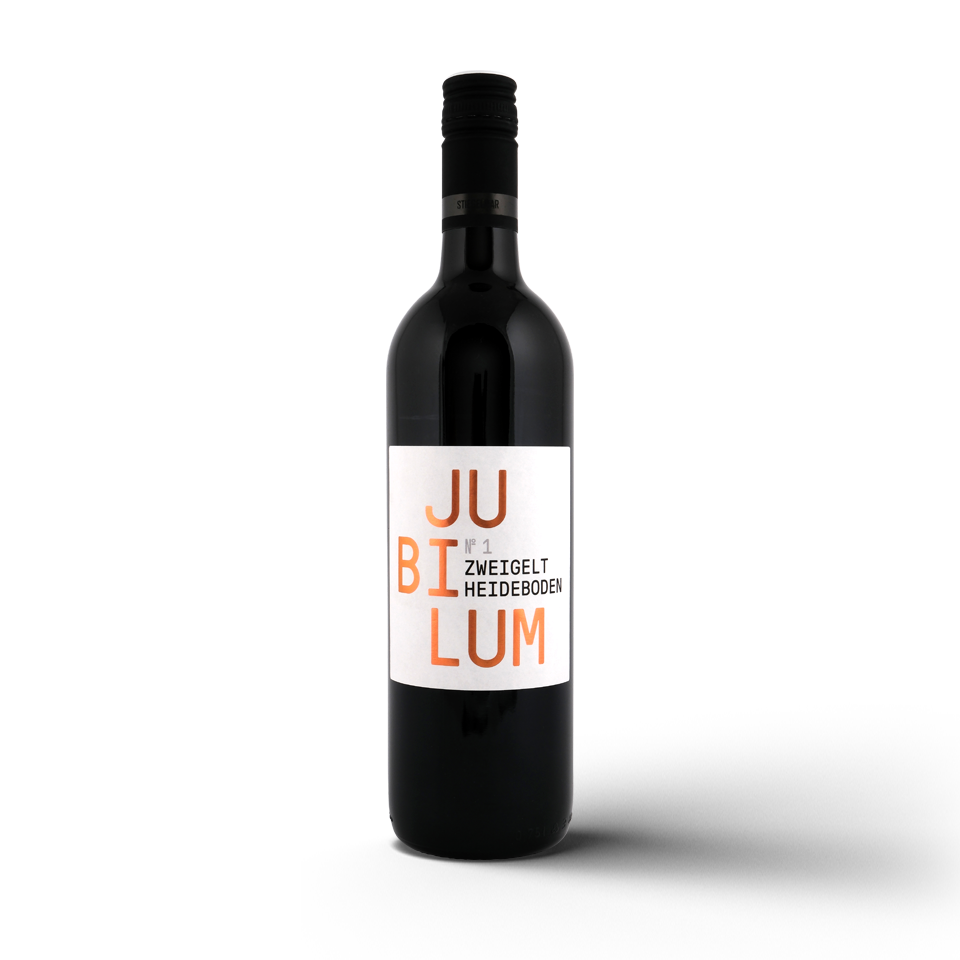
Winery Stiegelmar JUBILUM Zweigelt No. 1 2020
Exclusive with us
Winery Stiegelmar JUBILUM Zweigelt No. 1 2020
Neusiedlersee, Austria
15.90 €
0.75 l,  21.20 €/l
in stock
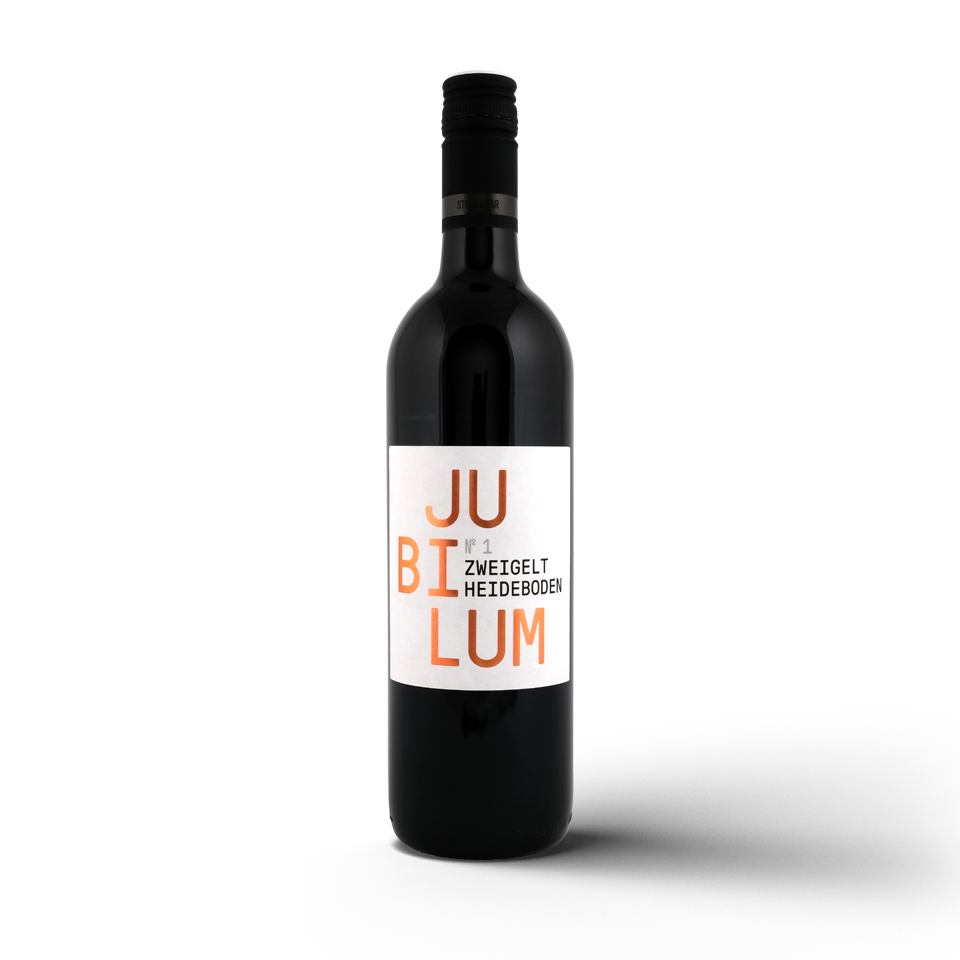
Winery Stiegelmar JUBILUM Zweigelt No. 1 Magnum 2020
Exclusive with us
Winery Stiegelmar JUBILUM Zweigelt No. 1 Magnum 2020
Neusiedlersee, Austria
35.00 €
1.50 l,  23.33 €/l
in stock
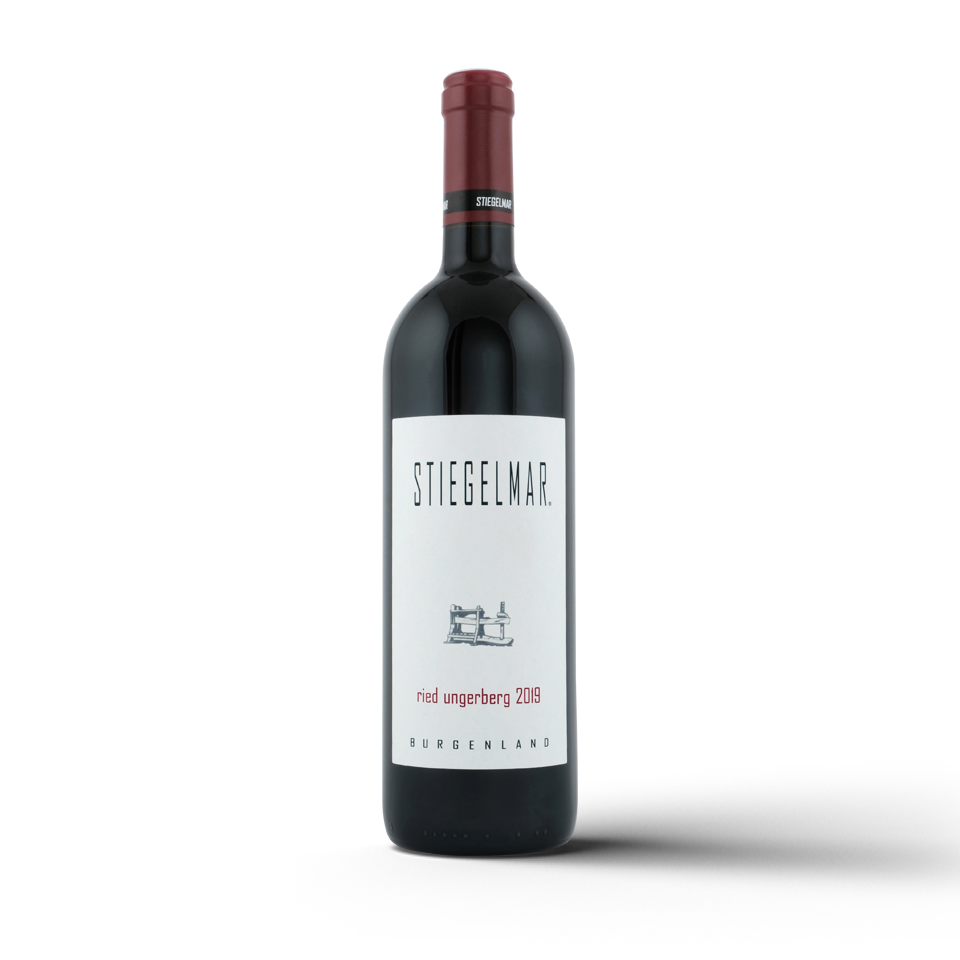
Winery Stiegelmar Zweigelt Ried Ungerberg 2019
Neusiedlersee, Austria
39.90 €
0.75 l,  53.20 €/l
in stock

Frequently asked questions (FAQ) about Zweigelt wine

What are the typical flavours that can be found in a classic Zweigelt?

Zweigelt is famous for its distinctive fruity flavour. The leading flavour is almost always cherry - sometimes as a juicy heart cherry, sometimes as a tart sour cherry. Notes of wild berries and a fine, subtle spiciness are often added. Wines that have been matured in wooden barrels also have hints of vanilla, smoke or dark chocolate.

How can the tannin and acidity structure of a Zweigelt be described?

A big plus point of Zweigelt is its soft texture. It usually has a very supple, velvety tannin (tannins), which rarely has a drying effect. Compared to other Austrian varieties, the acidity is rather moderate and well integrated, making Zweigelt a very harmonious and accessible red wine.

What dishes go best with a glass of Zweigelt?

Zweigelt is a true all-rounder at the table. A classically matured wine is an excellent accompaniment to Austrian snacks, ham or mild cheese. Powerful Zweigelt reserves are the ideal partner for dark meat, such as roast beef, game dishes or grilled lamb. It also cuts an excellent figure with savoury pasta with meat sauce.

Should a Zweigelt be drunk young or does it have ageing potential?

Most Zweigelt wines that you find in the shops (classic style) are designed to be enjoyed young and fresh - ideally within the first 2 to 3 years. They thrive on their primary fruitiness, which tends to diminish over time.

How does Zweigelt differ in flavour from its "father", Blaufränkisch?

While Blaufränkisch is often very flavoursome, has a pronounced acidity and firm tannins, Zweigelt is much more charming and fruit-driven. Zweigelt is usually fuller and "rounder" in the mouth, while Blaufränkisch shows more edge and structure.

How does a Zweigelt differ from a Pinot Noir (Pinot Noir)?

Although both varieties have a certain elegance, Zweigelt is usually much darker and more intense in colour (deep ruby garnet with violet reflections). In terms of flavour, Pinot Noir is more on the earthy, delicate side, while Zweigelt is more direct and powerful with its juicy berry fruit.

Lorem ipsum dolor?

Although both varieties have a certain elegance, Zweigelt is usually much darker and more intense in colour (deep ruby garnet with violet reflections). In terms of flavour, Pinot Noir is more on the earthy, delicate side, while Zweigelt is more direct and powerful with its juicy berry fruit.

Discover more grape varieties for red wines.

Cinsault

Cinsault is a red grape variety that is mainly cultivated in southern France, particularly in Languedoc-Roussillon, where it most likely originated. It is heat-resistant and produces wines with a light body, low tannins and a rather light colour. Typical flavours are red fruits such as strawberry, raspberry and cherry, often surrounded by floral tones.

Read more

Dolcetto

Dolcetto is a red grape variety that is mainly grown in the Italian region of Piedmont. The wines made from Dolcetto are light to medium-bodied, with soft tannins and fresh acidity.

Read more

Frühburgunder

Frühburgunder, also known as Pinot Madeleine, is a red grape variety that is closely related to Pinot Noir. It is also cultivated in France, but mainly in Germany. The grape ripens - nomen est omen - earlier than Pinot Noir and produces somewhat richer wines with velvety tannins and good acidity.

Read more

Gamaret

Gamaret is a new Swiss variety from the 1970s. The red variety is mainly cultivated in Valais and Vaud. The grape is a cross between Gamay and Reichensteiner and was developed for the particular challenges of the Swiss climate.

Read more

Negroamaro

Negroamaro is a red grape variety from the south of Italy. The wines are usually powerful, full-bodied and tannic, with rich aromas of dark fruit such as blackcurrant or fully ripe cherry. The full-bodied aroma spectrum is often complemented by notes of spices and chocolate.

Read more

Nebbiolo

Nebbiolo is one of Italy's great noble grape varieties. It is mainly cultivated in Piedmont. The wines are medium to full-bodied, with extremely strong tannins, usually very rough when young, and high acidity. Nebbiolo wines typically show flavours of red fruits such as plum, cherry and red berries, accompanied by more edgy tones such as tobacco and leather.

Read more

Discover more grape varieties for white wines.

Airén

The Spanish grape variety Airén is one of the most widely cultivated white grapes in the world. It is particularly adaptable and resistant to drought, robust against most vine diseases and is considered to be high-yielding even on poor soils.

Read more

Albariño

Alvarinho, Albariño in Spanish, comes from the north-west of the Iberian Peninsula, where it grows on both sides of the River Minho - in Portugal's Vinho Verde region and in Spain's Galicia, particularly in the Rías Baixas DOP.

Read more

Chenin Blanc

Chenin Blanc is a white grape variety that originated in the French Loire Valley and is known for its versatility. Chenin can be vinified both dry and sweet, still and sparkling. Its flavour is characterised by high acidity and lots of fruit such as green apple, pear or quince, often complemented by honey notes. Depending on the terroir and vinification, the grape can also show both mineral and floral tones.

Read more

Elbling

Elbling is a very old white grape variety with a long history that is mainly cultivated in Germany, particularly along the upper Moselle. The wines are light, fresh and sparkling, with a strong, marked acidity and low alcohol content - which makes Elbling particularly interesting as a base wine for sparkling wines.

Read more

Muscat/Muskateller

Muscat, also known as Muscat or Moscato, is not so much a single grape variety as a fairly large family of grape varieties that is widespread throughout the world and includes both wine grapes and table grapes.

Read more

Trebbiano/Ugni Blanc

The Italian Trebbiano is one of the most widely cultivated grape varieties in the world and is known for its lively acidity and freshness. The wines have a light, straw-yellow colour and a light, fresh aroma of citrus fruits and apples.

Read more

You can find information on other grape varieties here.

Yout cart is empty.
Added to shopping cart
Subtotal
Go to shopping cart

Prices incl. VAT plus shipping costs.