Welschriesling grape variety

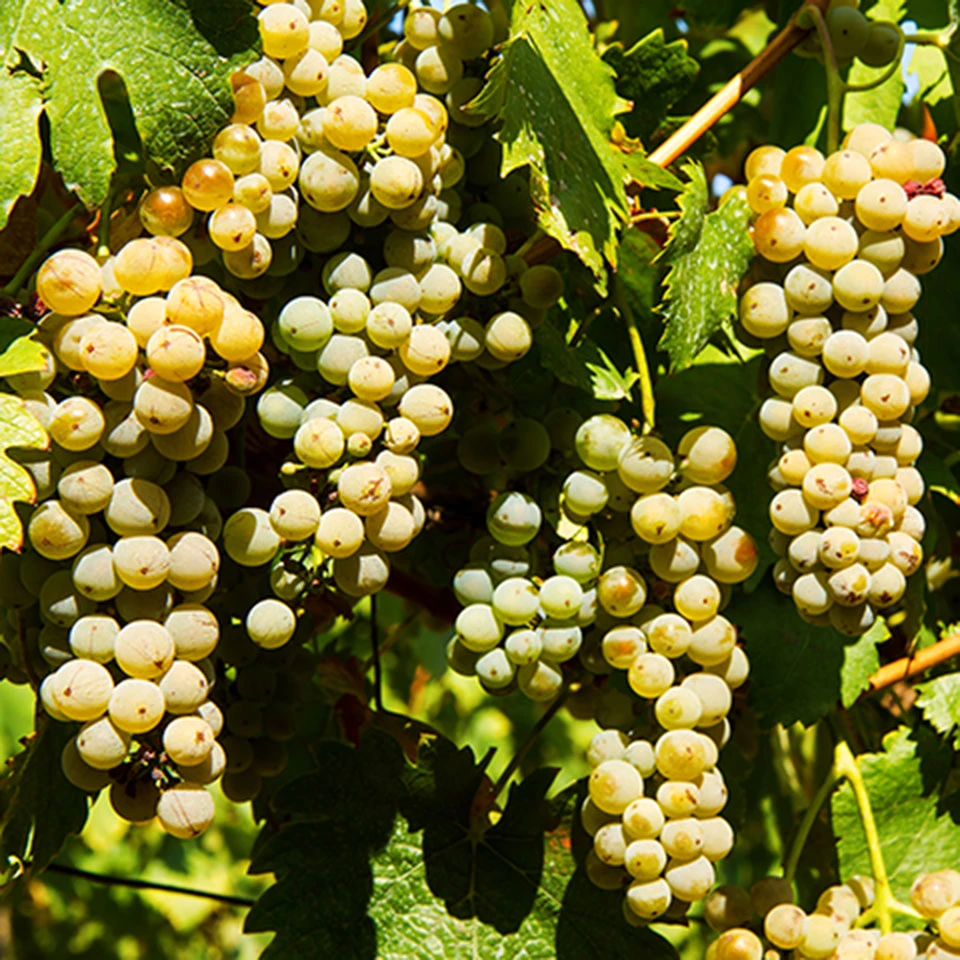
Welschriesling is a white grape variety that is mainly cultivated in Austria and in the wider Danube region of the former Austro-Hungarian Empire. Despite its name, it is not related to Riesling. It has a high acidity and a fresh flavour with notes of green apple and citrus fruit, sometimes complemented by a mineral note. Welschriesling is often used to produce fresh and fruity wines, but is also used in sparkling wines or as a base for sweet and noble sweet wines. It is also often used as the wine base for G'spritzen, as the wine spritzer is called in Austria. The grape variety is resistant to the cold - but is sensitive to late frosts due to its early budding. Welschriesling wines have good ageing potential and can gain in flavour and complexity after a few years in the cellar.
Order Welschriesling wines online

Filter & Sort
Wine style
Country
Region
Winery
Vintage
Bottle size
Rating
Special features
Show results
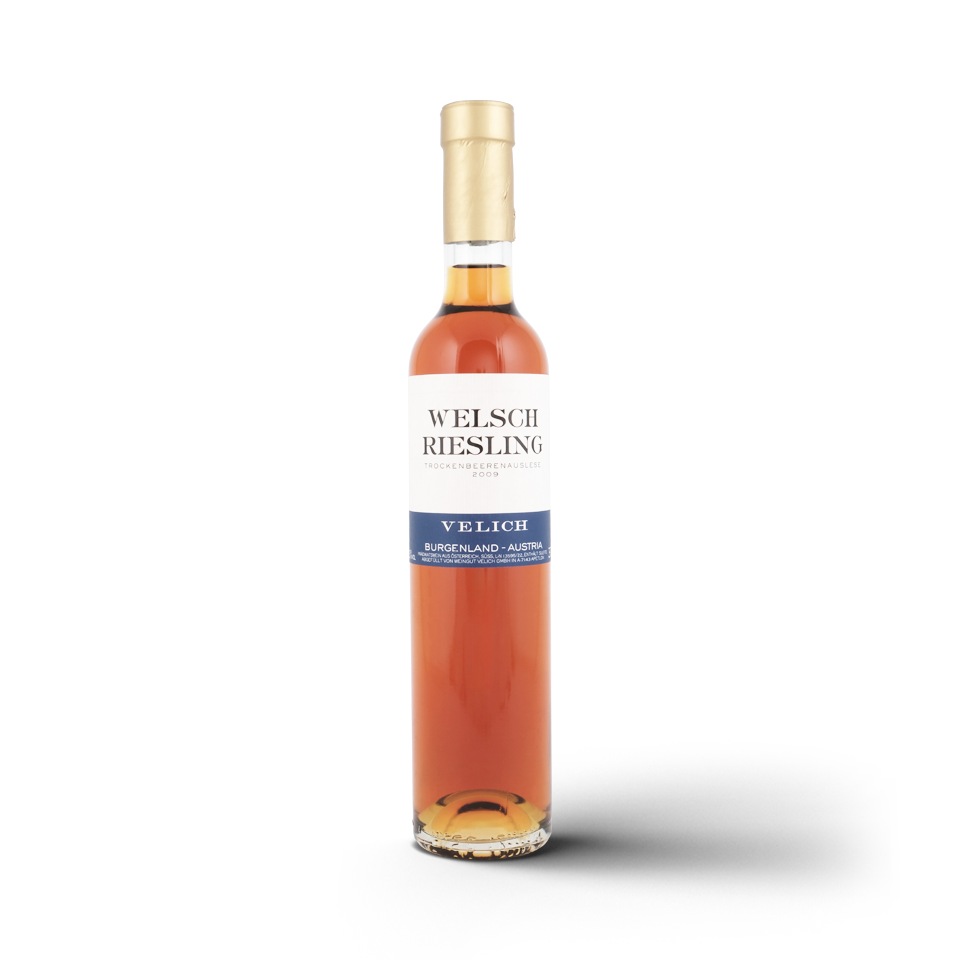
Winery Velich Welschriesling Trockenbeerenauslese weiß 2009
99-100 Parker
97 Falstaff
Winery Velich Welschriesling Trockenbeerenauslese weiß 2009
Neusiedlersee, Austria
79.00 €

incl. VAT plus shipping


0.375 l,  210.67 €/l
in stock

Frequently asked questions (FAQ) about Welschriesling wine

What does a classically matured Welschriesling taste like?

A typical dry Welschriesling is pure freshness. It is characterised by a very light yellow colour with greenish reflections. The nose is dominated by aromas of green apple, citrus fruit and often a hint of fresh meadow herbs. It is usually slender and leaves a revitalising sensation on the palate.

What acidity structure characterises Welschriesling?

Welschriesling has a pronounced, lively acidity. However, this is usually very delicate and ensures that the wine never appears dull, even with a low alcohol content. It is precisely this acidity that makes it the ideal basis for high-quality sparkling wines.

Does Welschriesling always taste dry or are there also sweet varieties?

Welschriesling can do both masterfully! While it is loved in most regions as a tangy, dry wine, in Seewinkel(Burgenland) it is one of the most important varieties for noble sweet Prädikat wines such as Beerenauslesen or Trockenbeerenauslesen. Here, Welschriesling develops flavours of honey, exotic fruits and dried apricots.

Where does Welschriesling originally come from?

The exact origin of Welschriesling is still a bit of a mystery. Its roots are thought to be in Italy or the Danube region. In Old High German, the name "Welsch" indicated "foreign" or "Romance". Today, it is mainly at home in Austria, Hungary (as Olaszrizling), Croatia (as Graševina) and Slovenia.

What dishes does a dry Welschriesling go best with?

A dry Welschriesling is the classic accompaniment to Austrian snacks or light starters. It harmonises wonderfully with fried chicken, Wiener schnitzel or grilled freshwater fish (e.g. trout). Due to its freshness, Welschriesling is also an excellent partner for Asian cuisine, especially when it is flavoured with lime and coriander.

What do you serve with a sweet Welschriesling?

If you open a Welschriesling Trockenbeerenaulee, pair it with goose liver pâté, mature blue cheese or classic Austrian pastries such as apricot dumplings or Kaiserschmarrn. The acidity of the Welschriesling perfectly buffers the sweetness of the food.

Is the Welschriesling related to the white Riesling?

No, this is one of the most persistent misunderstandings in the wine world. Welschriesling is botanically completely independent. While the White Riesling (Rhine Riesling) often displays peach and stone fruit flavours as well as a steely acidity, the Welschriesling is more on the green-fruity side (apple/citrus) and usually somewhat lighter in body.

How does Welschriesling differ from Grüner Veltliner?

Grüner Veltliner is usually spicier (the famous "Pfefferl") and often has more body and flavour. Welschriesling, on the other hand, is more neutral, leaner and more straightforward in direct comparison. It is often appreciated because it is not as dominant as a Veltliner, which also makes the Welschriesling the ideal basis for a first-class "Gespritzter" (wine spritzer).

Discover more grape varieties for white wines.

Grüner Veltliner

Grüner Veltliner is a white grape variety grown mainly in Austria and is the country's best-known grape. The wines are light to medium-bodied, with moderate acidity and a characteristic pepper aroma that is often compared to white peppercorns or radishes.

Read more

Sauvignon Blanc

Sauvignon Blanc is one of the best-known white grape varieties in France. It actually originated in the Loire - but is now cultivated worldwide as the second most important noble variety after Chardonnay. New Zealand in particular has become the second home of Sauvignon Blanc.

Read more

Trebbiano/Ugni Blanc

The Italian Trebbiano is one of the most widely cultivated grape varieties in the world and is known for its lively acidity and freshness. The wines have a light, straw-yellow colour and a light, fresh aroma of citrus fruits and apples.

Read more

Verdicchio

Verdicchio is a very old white grape variety from Italy, which is mainly cultivated in central Italy. The grapes produce dry to semi-dry white wines with a light yellow colour and a fresh, fruity taste. The flavours are reminiscent of green apples, pears, citrus fruits and hay meadows.

Read more

Viognier

Viognier is a white grape variety that originally comes from the Rhône region in south-east France, but is now cultivated in many countries. It produces complex and aromatically dense wines with a strong alcohol content and moderate acidity.

Read more

Sémillon

Sémillon is a noble white grape variety that originates from France, but has now also found a home in the New World. The wines are known for their fruity flavours and full body. Dry Sémillon wines typically show flavours of lemon or lime, while the sweet and noble sweet varieties have apricot, peach, honey, candied fruit or nutty tones.

Read more

Discover more grape varieties for red wines.

Barbera

Barbera is the most widely cultivated red grape variety in the northern Italian region of Piedmont - but is also widespread in Lombardy and Emilia-Romagna. It produces fruity, accessible red wines with an intense ruby red colour and aromas of red fruits, cherries, plums and spices. They are medium-bodied on the palate, with moderate tannins and lively acidity even when fully ripe.

Read more

Carmenère

Carmenère gilt als die "Signature Grape" Chiles. Fast die Hälfte der weltweiten Bestände wachsen dort. Ursprünglich stammt die Sorte aber aus Bordeaux, wo vor der Reblauskatastrophe weit verbreitet war. 

Read more

Malbec

Malbec is a red grape variety that originally comes from France and is now mainly cultivated in Argentina. The wines are deep red in colour and full-bodied, with medium to high tannin and acidity. Malbec wines typically show flavours of dark fruits such as plum and blackberry, complemented by spicy and chocolate notes.

Read more

Merlot

Merlot is a red grape that is one of the three major Bordeaux varieties. It is cultivated worldwide, but is particularly widespread in France and California. The wines are medium to full-bodied, with rather soft tannins and moderate acidity. Merlot wines typically show aromas of red and black fruits such as cherry, plum and blackcurrant, complemented by notes of vanilla, chocolate and spices. The grape is often used in cuvees such as Bordeaux wine.

Read more

Pinot Noir

Pinot Noir, or Pinot Noir, is a red grape variety that is widely grown around the world today and is also the basis for some of the rarest and most exquisite wines in the world. The variety has a very long tradition of excellence, particularly in France (especially in Burgundy) and Germany (in the Ahr and Baden regions).

Read more

Tempranillo

Tempranillo is a red grape variety that is mainly grown in Spain and forms the basis of many well-known Spanish wines, such as in Rioja and Ribera del Duero. The early-ripening vine usually produces wines with a strong, deep red colour and aromas of red fruits such as cherries and plums as well as spices such as cinnamon and cloves.

Read more

Here you can find information on other grape varieties.

Yout cart is empty.

Added to shopping cart
Subtotal
Go to shopping cart

Prices incl. VAT plus shipping costs.