Buy wines from Poderi Luigi Einaudi


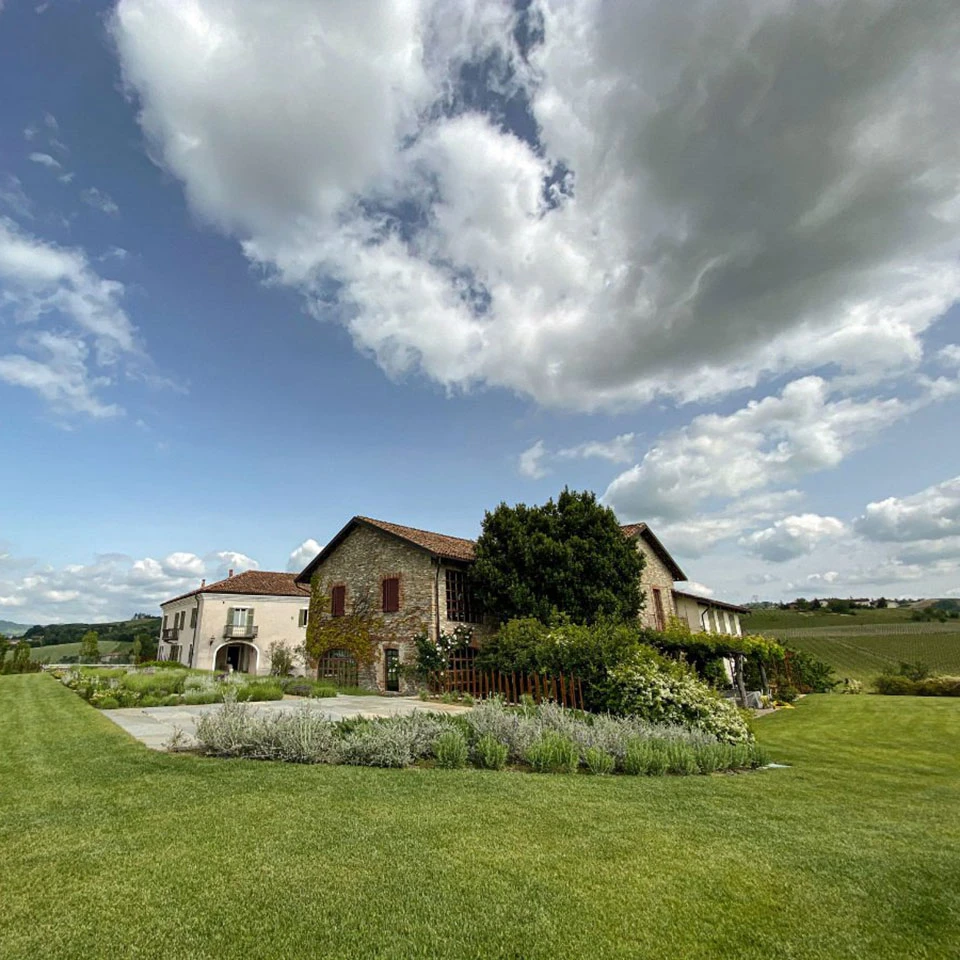
Poderi Luigi Einaudi was founded in Dogliani in 1897 by Luigi Einaudi, who later became President of Italy. Today, Matteo Sardagna Einaudi is the fourth generation to run the family estate. Around 70 hectares of vineyards stretch from Dogliani to some of Barolo’s most renowned sites, including Cannubi, Bussia, Terlo, Monvigliero and Villero.
The history of Poderi Luigi Einaudi began in 1897 in Dogliani. Luigi Einaudi, then just 23 years old, bought his first farm there in San Giacomo – long before he was to become one of the most prominent figures in modern Italy as an economist, Governor of the Banca d’Italia, minister and, finally, President of the Italian Republic. Nevertheless, he remained closely connected to agriculture throughout his life. It is said that even during his years in Rome, he never missed a grape harvest in Dogliani.
From the very beginning, Einaudi’s commitment to this was more than just a private passion. He was convinced that modern agriculture could make a decisive contribution to the economic development of the Langhe region, which was poor at the time. Early on, he embraced new cultivation methods and American rootstocks to combat phylloxera. In 1915, he had his own cellar built so that he would no longer simply sell the grapes, but could produce and bottle the wine himself. When selecting new vineyards, he also paid particular attention to aspect, location and soil.
Initially, the heart of the estate remained in Dogliani and, with it, the Dolcetto. Luigi Einaudi was one of the first producers to bottle the region’s wine himself and to make it known beyond local borders. Even today, the family owns more than 29 hectares of vineyards here at an altitude of 300 to 400 metres. The ‘Dogliani Superiore Madonna delle Grazie Vigna Tecc’ holds a special place, with its vines – some of which are very old – growing on soils rich in limestone and marl.
However, even the founder looked beyond Dogliani. Gradually, Nebbiolo vineyards in Neive and the Barolo region were added. His descendants consistently continued this strategy and built up an estate that today encompasses some of the Langhe’s most famous crus. The estate covers around 150 hectares, of which approximately 70 hectares are planted with vines. The 13 estates and vineyards in total stretch from Dogliani via Barolo and Monforte d’Alba to Verduno, Castiglione Falletto and Neive.
This diversity of possibilities is particularly evident in the case of Barolo. In Cannubi, Einaudi owns 2.36 hectares on sandy and calcareous marl soils. In Terlo, the Vigna Costa Grimaldi comes from a plot of just 1.6 hectares with a south-easterly aspect. Added to this are almost six hectares in Bussia near Monforte d’Alba, as well as vineyards in Monvigliero near Verduno and Villero in Castiglione Falletto. This enables the estate to showcase the different expressions of Nebbiolo with great precision within a radius of just a few kilometres: from the fragrant elegance of Cannubi, through the structure of Bussia, to the floral finesse of Monvigliero.
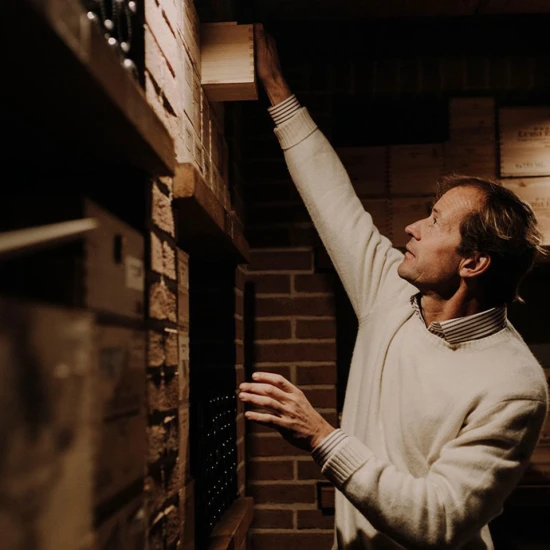
In the cellar, the style remains comparatively classic. Nebbiolo is fermented in steel or concrete and left on the skins for several weeks. Large wooden barrels – the so-called ‘botti’ – play a central role in the ageing process; the wines are then given additional time in the bottle. It is not wood or maximum concentration that should define the style, but terroir, tannin structure and slow development.
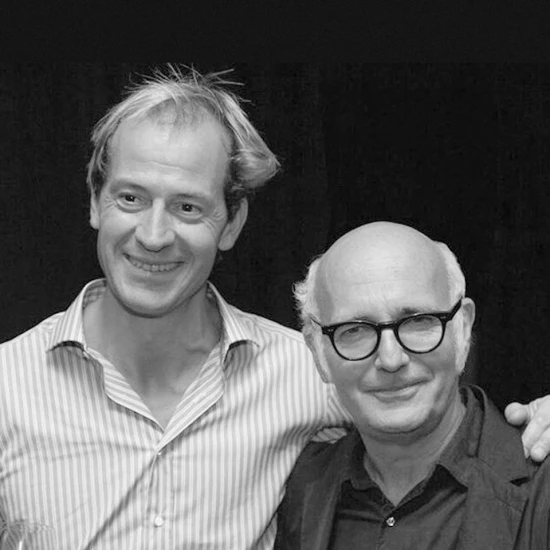
The company’s own history, spanning more than 125 years, is also characterised by continuity. Luigi Einaudi was succeeded by his son Roberto, and later his daughter Paola Sardagna Einaudi took over the management. Since the late 1980s, she has modernised the estate and refined its quality profile. Today, the fourth generation, her son Matteo Sardagna Einaudi, is at the helm. Under his leadership, the estate has been further expanded and the concept of highlighting different historic vineyards in the Langhe separately has been consistently pursued.
Poderi Luigi Einaudi tells a significant part of the history of the Langhe itself. From a single farmstead in Dogliani, situated in a largely impoverished and, at the time, internationally insignificant cultural landscape, a widely ramified estate has emerged over four generations in some of Piedmont’s most important wine regions today. What has remained is the founder’s belief that great wines begin in the vineyard – and that long-term thinking is more important than quick results.
© Photos: Poderi Luigi Einaudi Winery