Buy non-alcoholic wines
For more variety in your glass: wine, alcohol-free and low-alcohol
Column by Christoph Raffelt
Column by Christoph Raffelt
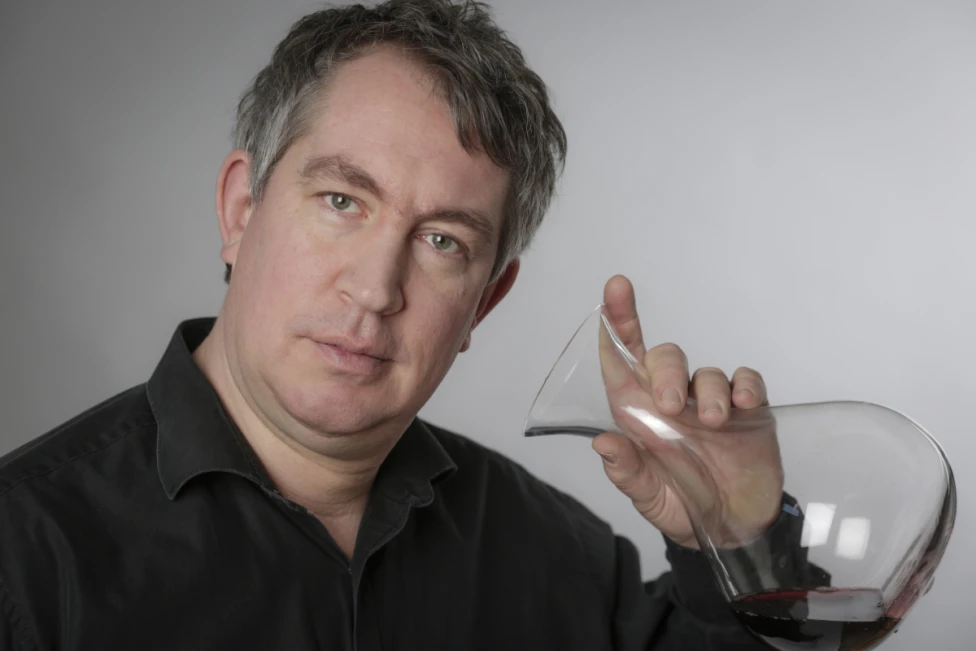
As a wine lover, I’ve long been sceptical about non-alcoholic alternatives. Not because I rejected them, but because they didn’t convince me. The situation was – and still is – particularly bad when it comes to de-alcoholised wines – yet even there, things are changing. The fact is: alcohol-free or low-alcohol drinks are really coming into their own right now. Their numbers are growing year on year and, above all, these drinks are becoming increasingly interesting and of better quality. There are many reasons for drinking less alcohol, and many of them are entirely understandable. What I find a bit hard to grasp is when people deny themselves the pleasure of a drink even though they don’t have to. Alcohol should always be consumed in moderation, and what constitutes a moderate amount varies from person to person. Furthermore, there is undoubtedly a risk of addiction. However, if you’re enjoying what’s on offer at your trusted wine merchant purely for the pleasure of it, then this risk doesn’t really exist.
There are, however, occasions when traditional wine is out of place and alternatives should be available. In the past, those who volunteered to drive others to and from the restaurant had to drink water, a soft drink or a Clausthaler. I always stuck to water. Fortunately, those days are over, and one person who has played a special part in this is Peter van Nahmen. I got to know Peter because our children went to the same nursery in Bonn about 20 years ago. I’d just started writing about wine back then, and he’d spent nine years working as a business administrator for a wine merchant. At that time, he had to decide whether to swap city life for the family cider mill back home and take over the Lower Rhine fruit press in Hamminkeln. You can see what he has made of it in the Juicy Tea Riesling Verbena Jasmine . Starting with a traditional ‘juice shop’ – whose orchard juices are known to everyone in the Lower Rhine region – he began by bottling single-variety juices made from heritage fruit varieties in Bordeaux bottles and supplying them to Michelin-starred restaurants. That was the first step away from water and Clausthaler towards non-alcoholic accompaniments to meals. Further steps followed, but Van Nahmen played a key role in shaping this scene right from the start. For me, his Juicy Teas are currently among the very best – and also the most attractively priced – in this category.
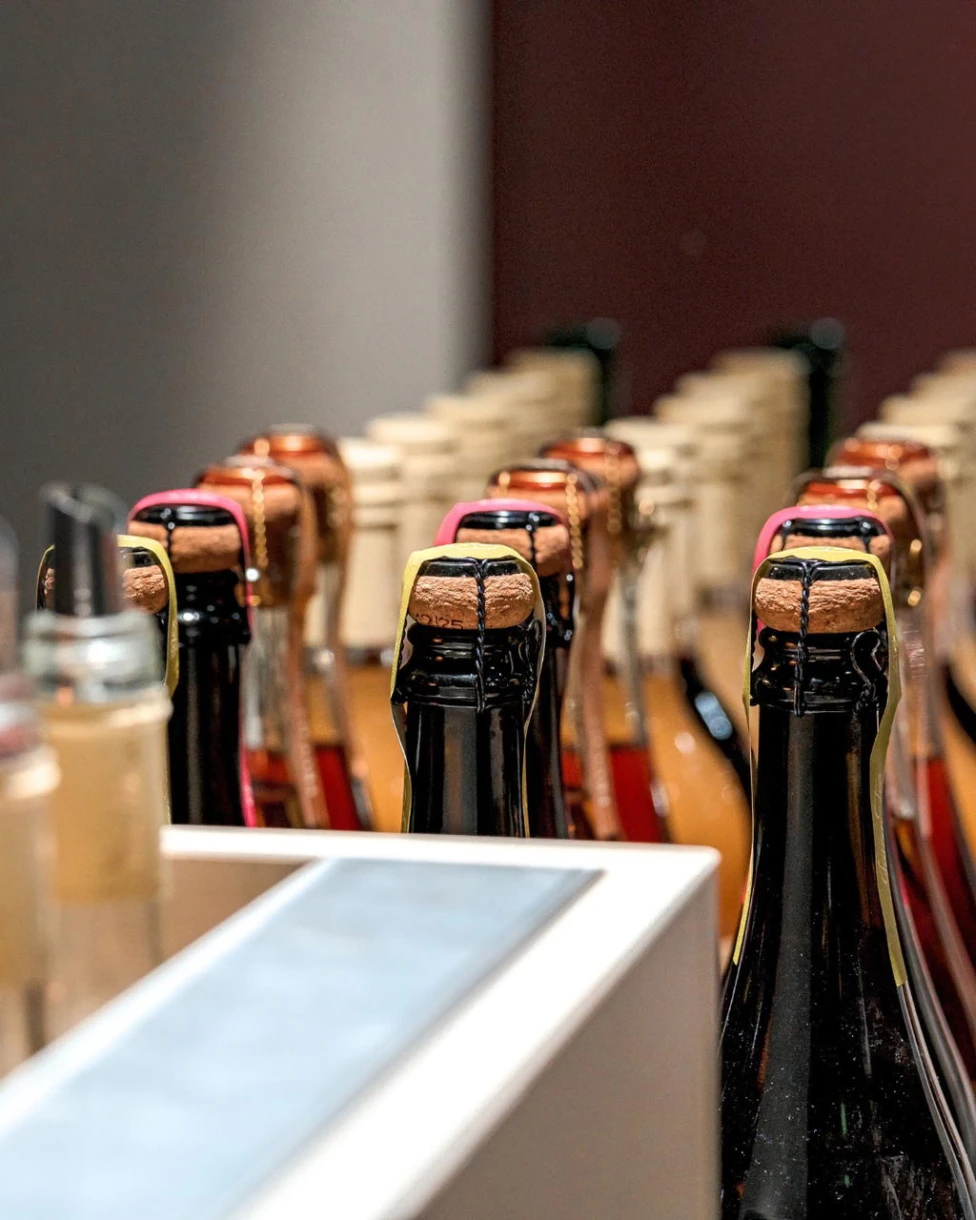
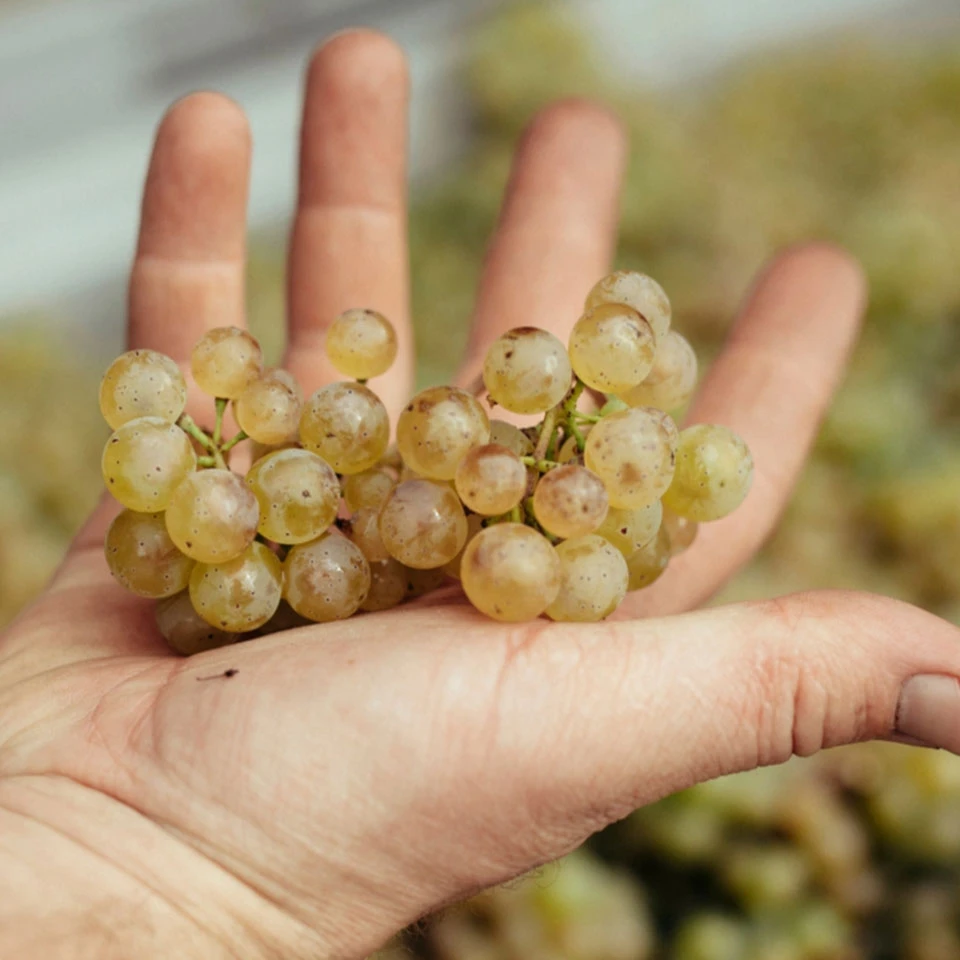
As a winemaker today, you can choose to have your wines technically de-alcoholised – a process that requires a great deal of energy – or to explore other avenues. For Leon Gold, it was clear that, as a biodynamic winemaker working as naturally as possible, he would not go down this route. With Lunar Herbs, he has developed an alcohol-free grape secco made from organic grape juice, extracts of organic herbs, organic lemon and carbon dioxide. The basis is the aromatic Muscat variety, with its citrusy, nutmeg-like and fragrant aromas, complemented by herbs. As a result, Lunar Herbs is reminiscent of elderflower, rosemary and lavender, complemented by lemon. On the palate, the sweetness of the grape juice combines with the tart, tangy notes of local lemons and the herbs to create a smooth, delicate drink with a light effervescence, ethereal notes and a crisp finish.
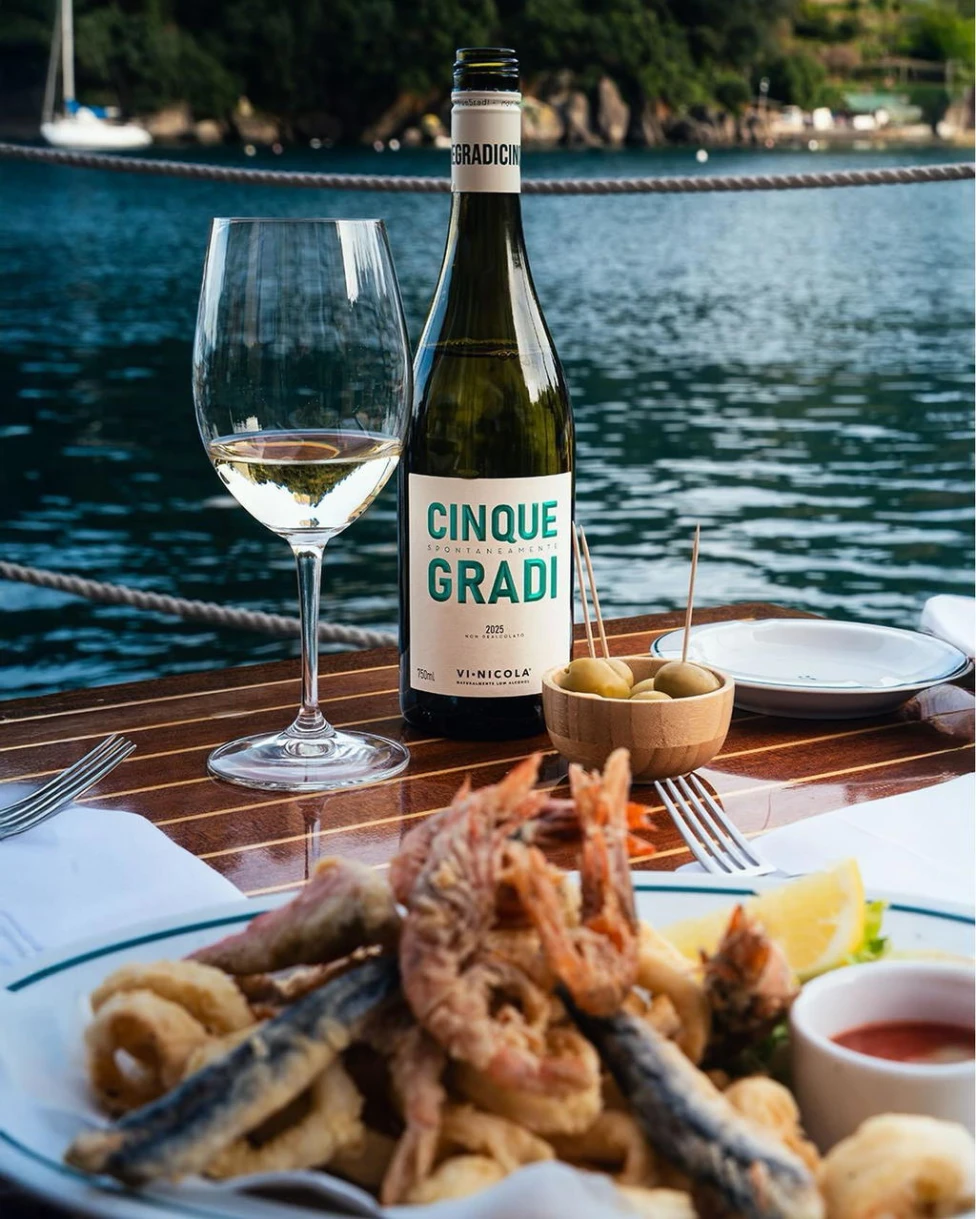
The Cinque Gradi also demonstrates that Muscat, or Moscato as it’s known in Italian, is particularly well suited to this style. This is still a wine, and one that contains alcohol. It has an alcohol content of 5 per cent by volume – roughly the same as a beer. The idea for this drink came from the three brothers Nicola, Andrea and Francesco Farinetti. They are part of the family that founded the delicatessen and gastronomy empire Eataly, which also owns renowned wineries such as Fontanafredda and Borgogno in Piedmont. They, too, have noticed the trend towards lighter drinks, and what could be better suited to this than the Muscat of Piedmont, famous for its Moscato d’Asti? The grapes for Cinque Gradi come from the high-altitude Alta Langa region and were harvested early, ensuring they retain a lively acidity whilst maintaining a low alcohol content. As a result, the wine tastes almost like a blend of muscat and verjuice, with the grapes’ characteristic full-bodied aroma, yet retaining freshness and lightness. A lovely drink for the summer – I do hope that next year Cinque Gradi will also be available as a frizzante with a few bubbles.
Precisely because I deal with wine professionally, virtually all day long, and love aromas, texture and acidity profiles, I’m now very pleased that there are more and more good drinks that do without alcohol entirely or to a large extent, and therefore offer moments of pleasure that were once reserved solely for wine. Wine remains, but these other options have their place too.
Christoph Raffelt has been writing about wine since 2007. Since January 2025, he has been co-hosting the no- and low-alcohol podcast ‘Zwei über Null’ every two weeks with his colleague Anne Tenschert .
Prices incl. VAT


