GG – Buying ‘Große Gewächse’
380 wines later – why the VDP.Preview has to be in Wiesbaden
Column by Christoph Raffelt
Column by Christoph Raffelt
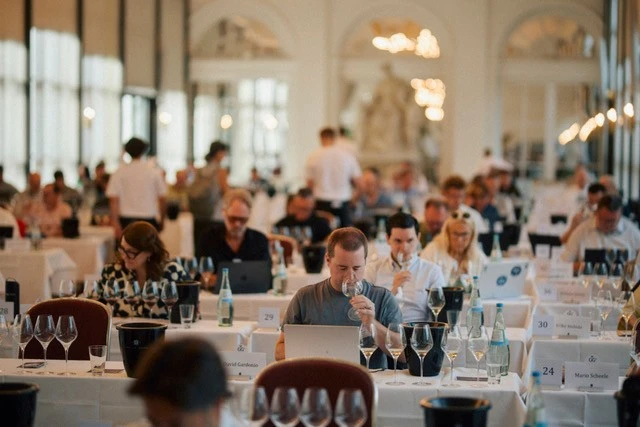
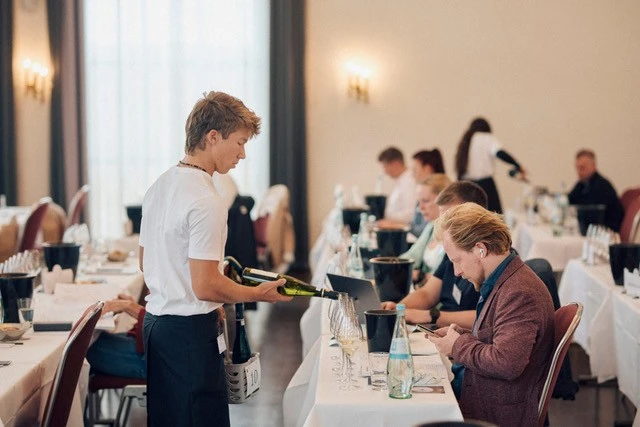
“It’s Sunday, just before 10 o’clock. Actually, it’s exactly the right time to put the croissants and bread rolls, freshly picked up from the baker’s, on the table and call the rest of the family. Instead, I left the guesthouse of a winemaker friend in Rheinhessen early to arrive on time at the Kurhaus colonnades in Wiesbaden. I’m on my way to the VDP.Großes Gewächs 2026 Pre-premiere, as it’s officially called. So, Wiesbaden… I haven’t even counted how many times I’ve subjected myself to this preview, and every time I think: this is the last time. Not because of the traffic, but because of the sheer number of ‘Große Gewächse’ – generally abbreviated to ‘GG’ – that await you there. This time there were ‘only’ 396, and over the three days of tasting I try to get through more or less all of them. In the end, I managed 380. That’s a lot, and it was due in no small part to the fact that 2025 is a charming vintage.
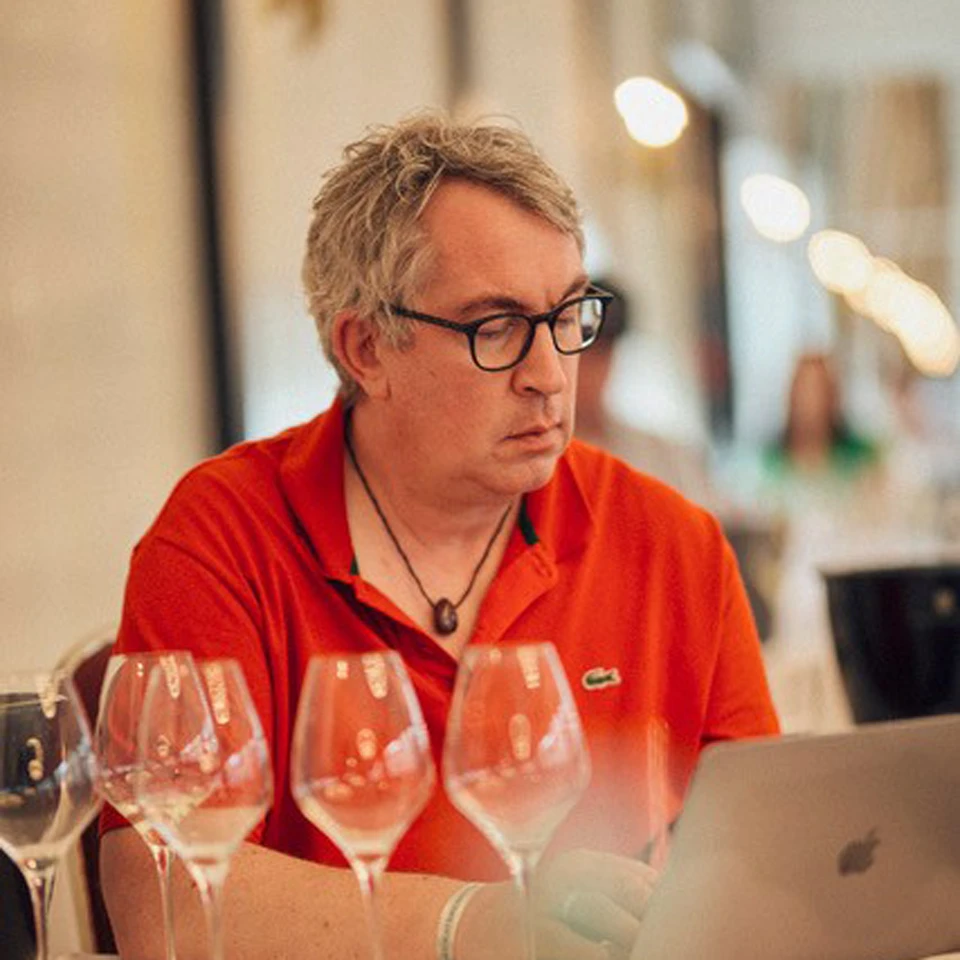
I’ve often been asked how one manages to cope with such a large number of wines. Of course , everything is spat out – without exception – but the mucous membranes still absorb alcohol, so it’s not exactly healthy. My tooth necks are also affected, even though I’ve been treating them with elmex opti-schmelz for a long time. Eventually, the acids take their toll, even on the sides of the tongue. But once again, my sense of taste functioned perfectly from 10 am on Sunday until 4 pm on Tuesday. This has become the norm over the last two decades that I’ve been tasting wines. The first time I attended a similar event, I went home after 20 wines. By then, I couldn’t taste a thing.
So why do I put myself through this? Because it’s interesting, because it’s a reunion with people I might only see once a year, because the event is superbly organised by the VDP, and because nowhere else can you get such a good overview of the vintage as you can there.
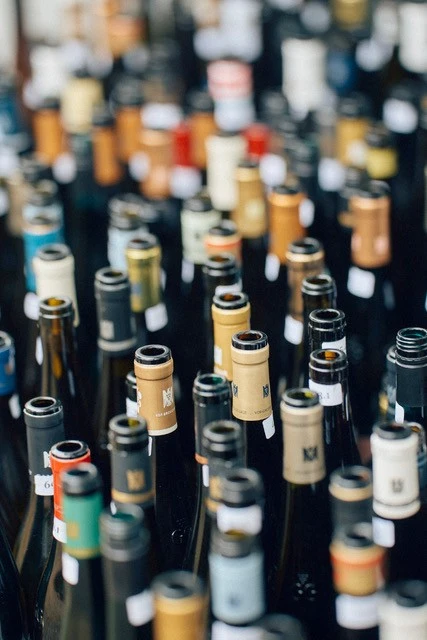
The bare figures are as follows: 594 ‘Große Gewächse’ were assessed and approved by the regional associations this year; 396 wines were presented in Wiesbaden; around 56 per cent of the wines are Rieslings, with Pinot Noir in second place at 22 per cent. These are joined by Frühburgunder, Weißburgunder and Grauburgunder, as well as Silvaner, Lemberger and Chardonnay. Only Riesling is approved as a ‘Große Gewächs’ in all wine-growing regions; Pinot Noir is approved in almost all of them, whilst Silvaner, for example, is approved only in Franconia – unfortunately not in Rheinhessen. Chardonnay, too, has not yet been approved in either Rheinhessen or Franconia, although there are some very good examples there.
The ‘Große Gewächse’ have existed since 2002. They represent the pinnacle of the association’s quality pyramid and may only be produced from vineyards classified as ‘VDP.Große Lagen’. If a ‘Großes Gewächs’ of a particular grape variety is produced from such a vineyard, no other dry wine of that variety may bear the vineyard’s name. Wittmann’s Morstein Riesling, for example, is available only as a ‘Großes Gewächs’. Any other Riesling he produces from Morstein is then classified as a local wine or estate wine. An exception is made for ‘Prädikat’ wines – that is, wines with residual sweetness such as Spätlese or Auslese – which may be produced in parallel.
Other approved grape varieties, on the other hand, may also bear the vineyard name. For example, the Bercher winery produces Pinot Gris, Pinot Blanc and Pinot Noir as ‘Großes Gewächs’ from the Burkheimer Feuerberg.
This quality pyramid, with the GGs at the top, has become firmly established. It is widely understood both nationally and internationally. The fact that around 250 wine tasters from other European countries and overseas make their way to Wiesbaden is not only because the VDP organises the trip and sends journalists, retailers, influencers or whoever else to various wine-growing regions for a few days beforehand.
There is a great deal of interest in selling these wines internationally, as the domestic market is not sufficient. Unlike the clientele at Pese Wein, people in this country prefer to drink off-dry Primitivo, Prosecco Frizzante or bulk wine from Spain, which is then processed here into sparkling wine in large quantities. Imported wines with large marketing budgets, against which local wineries often struggle. Wines from the ‘Große Lagen’, ‘GG’ and ‘Prädikat’ classifications may account for just 5 per cent of VDP estates’ production, but they are often a winery’s calling card and the key to gaining a foothold in the market. This is precisely why the preview of the ‘Große Gewächse’ is so crucial for the VDP – and why these wines are so important for German wine."
Christoph Raffelt has been writing about wine since 2007. He has been publishing the ‘Originalverkorkt’ podcast since 2013 .
© Images: VDP . Peter Bender
Prices incl. VAT


