Niepoort Winery
“We shouldn’t just be talking about port; we need to be talking about the Douro.”
Dirk Niepoort
Dirk Niepoort
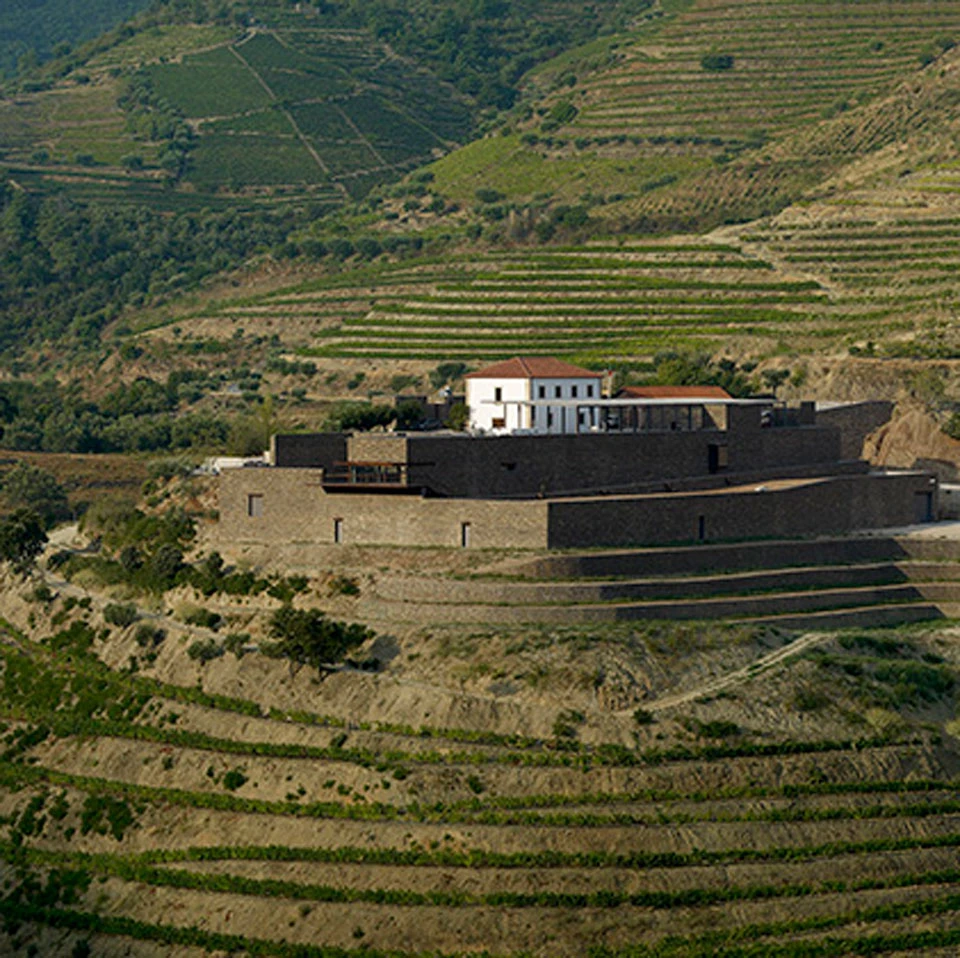
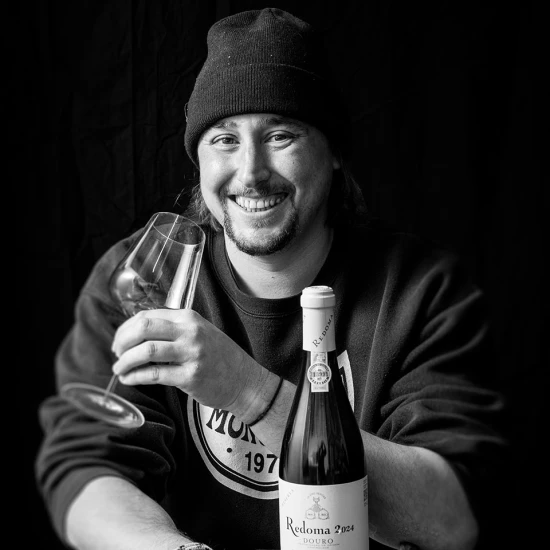
This statement says a great deal about Dirk van der Niepoort. He runs one of Portugal’s most traditional port houses and is also one of the people who have contributed most significantly to freeing the Douro from its sole fixation on port. Yet he has never sought to shake off the past. On the contrary: few producers are as deeply committed to old vines, traditional ageing methods and historic port styles.
Niepoort’s history dates back to 1842. The family business, with its Dutch roots, began as a port house and has remained independent to this day. For generations, grapes and young wines were purchased from winegrowers in the Douro, whilst blending and ageing took place in Vila Nova de Gaia. This expertise in blending and ageing different batches remains an essential part of Niepoort’s DNA to this day.
In 1987, Dirk Niepoort joined the family business as the fifth generation. In the same year, the family acquired its first estate in the Douro, Quinta de Nápoles, followed shortly afterwards by Quinta do Carril. It was precisely these cooler, partly north-facing vineyards that became central to Dirk’s vision of a Douro whose wines should be characterised not only by power and ripeness, but also by freshness, elegance and balance. By the late 1980s, this was by no means a given. Port wine dominated the region almost entirely. Nevertheless, Dirk began experimenting with dry red wines. In 1990, Robustus marked his first attempt, followed shortly afterwards by Redoma. This made Niepoort one of the pioneers of a development that was to fundamentally transform the Douro.
Dirk’s curiosity later took him far beyond the Douro. Bairrada, Dão, Vinho Verde, Alentejo and even the Moselle became areas of interest. He experimented with clay amphorae, whole-bunch fermentation, extended maceration, very early harvests and exceptionally light wine styles, and became one of the defining figures of modern Portuguese viticulture. In the process, it became clear not only that he is an excellent winemaker, but also an equally gifted communicator who knows how to bring people together. Port, however, has always remained central to his work. For years, Dirk Niepoort has been calling for less generic, industrially produced port and more focus on provenance, quality and individuality. For him, port ranks among the world’s great wines – provided it is taken seriously enough.
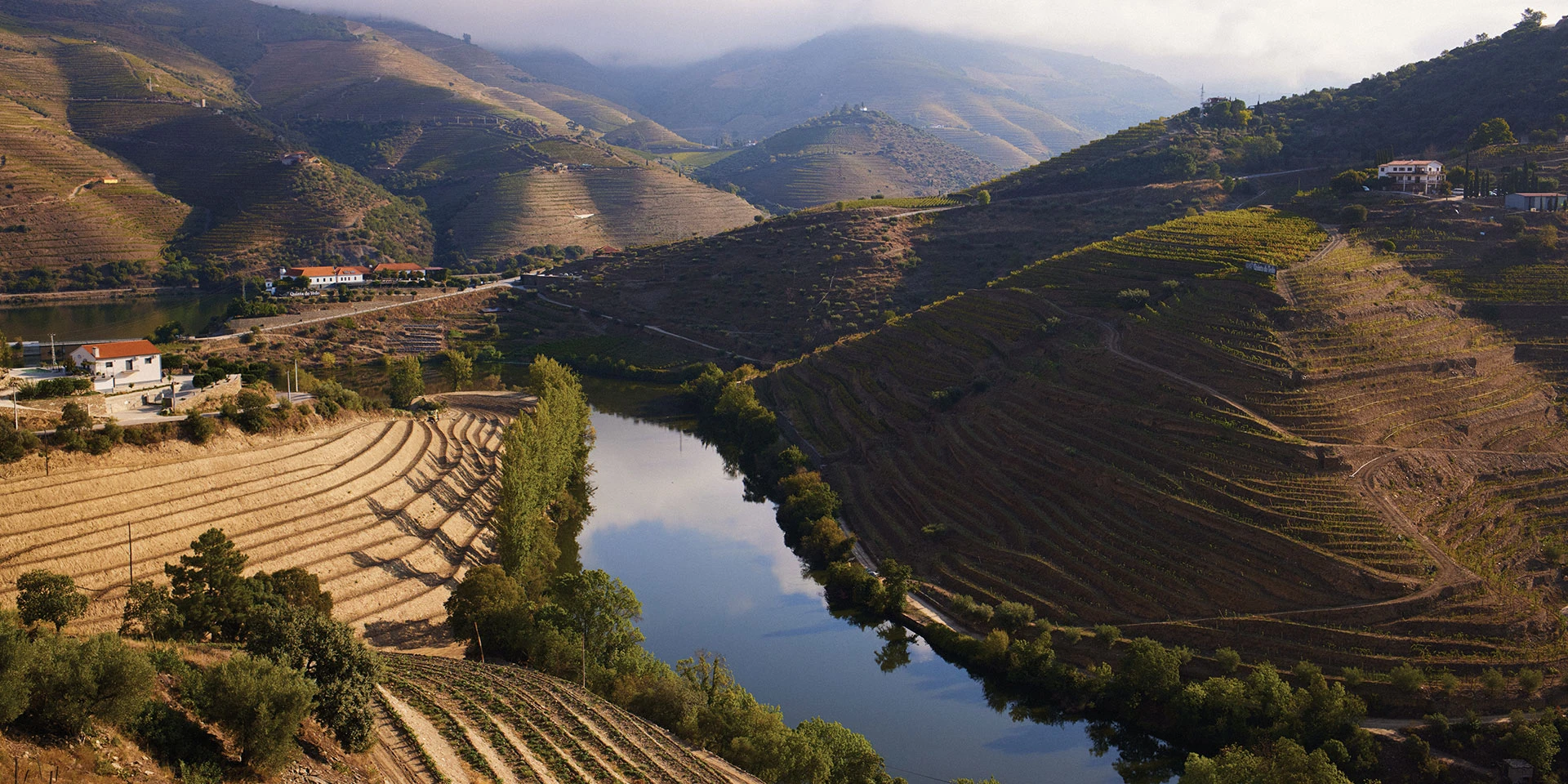
Niepoort’s port wines are now produced in Vale de Mendiz in the Pinhão Valley. At the heart of the vinification process are traditional, rounded granite lagares. This intensive yet controlled extraction is crucial, particularly for high-quality ports, as the young wine has comparatively little time before fortification to extract colour, tannins and aromas from the grape skins. After that comes what is almost more important for port than the winemaking process itself: time. Niepoort itself sums up its philosophy with the motto ‘Time is the key’. And hardly any other house demonstrates more clearly just how differently time can shape a port. Yet there is one style that is associated with Niepoort more than almost any other: Garrafeira. In this process, the port is first aged for several years in wood and then for a long time in large glass demijohns.
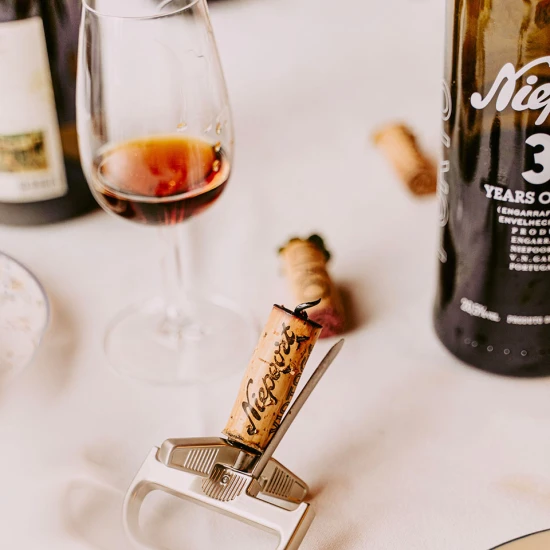
The first Niepoort Garrafeira produced according to this principle dates from the 1931 vintage. Today, Niepoort is the only producer that still regularly maintains this historic style. This exemplifies how Niepoort approaches tradition. Granite lagares, decades of barrel ageing and an almost forgotten maturing process go hand in hand with organic viticulture, modern cellar technology and an unbridled enthusiasm for experimentation. Dirk Niepoort’s perhaps most significant contribution therefore does not lie in any single wine. He has helped to change the perception of what the Douro can be. Port and dry wine need not be competitors. Old vines need not produce heavy wines. And tradition is not the opposite of innovation. The next generation is now also working in the business. Dirk, together with his sons Daniel and Marco, represents the transition from the fifth to the sixth generation.
© Photos: Niepoort Winery
Prices incl. VAT


