Wieninger Winery
“Wieninger Winery – Vienna in a glass.”
Fritz Wieninger
Fritz Wieninger
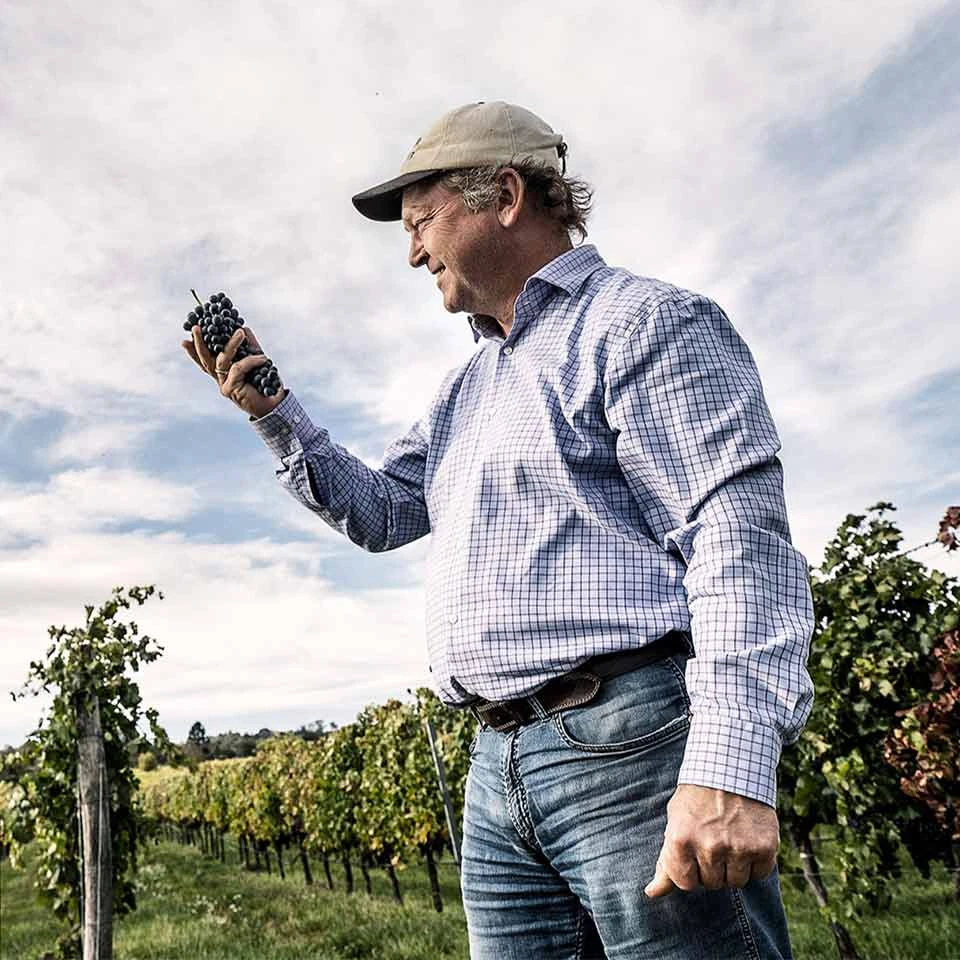
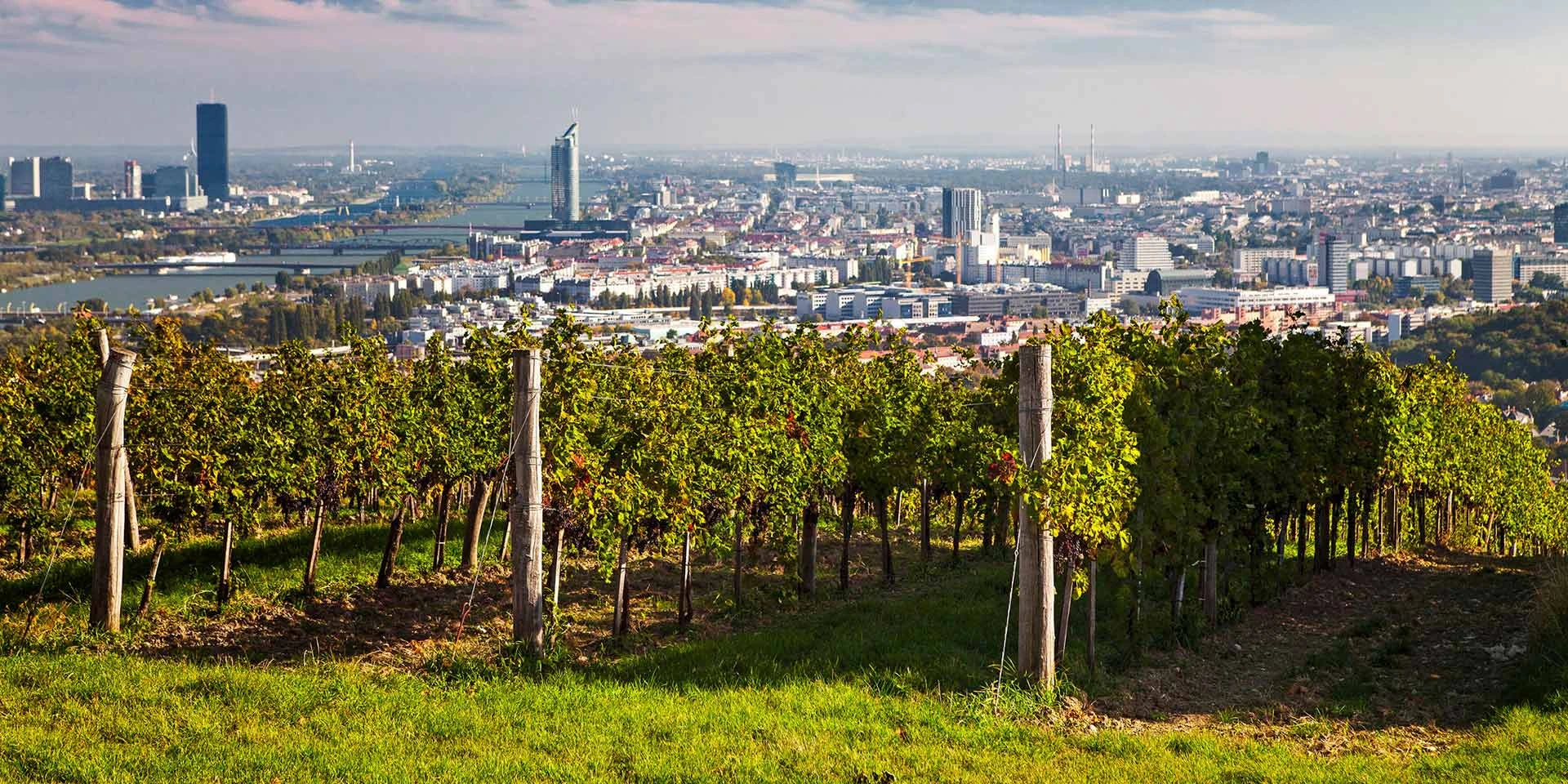
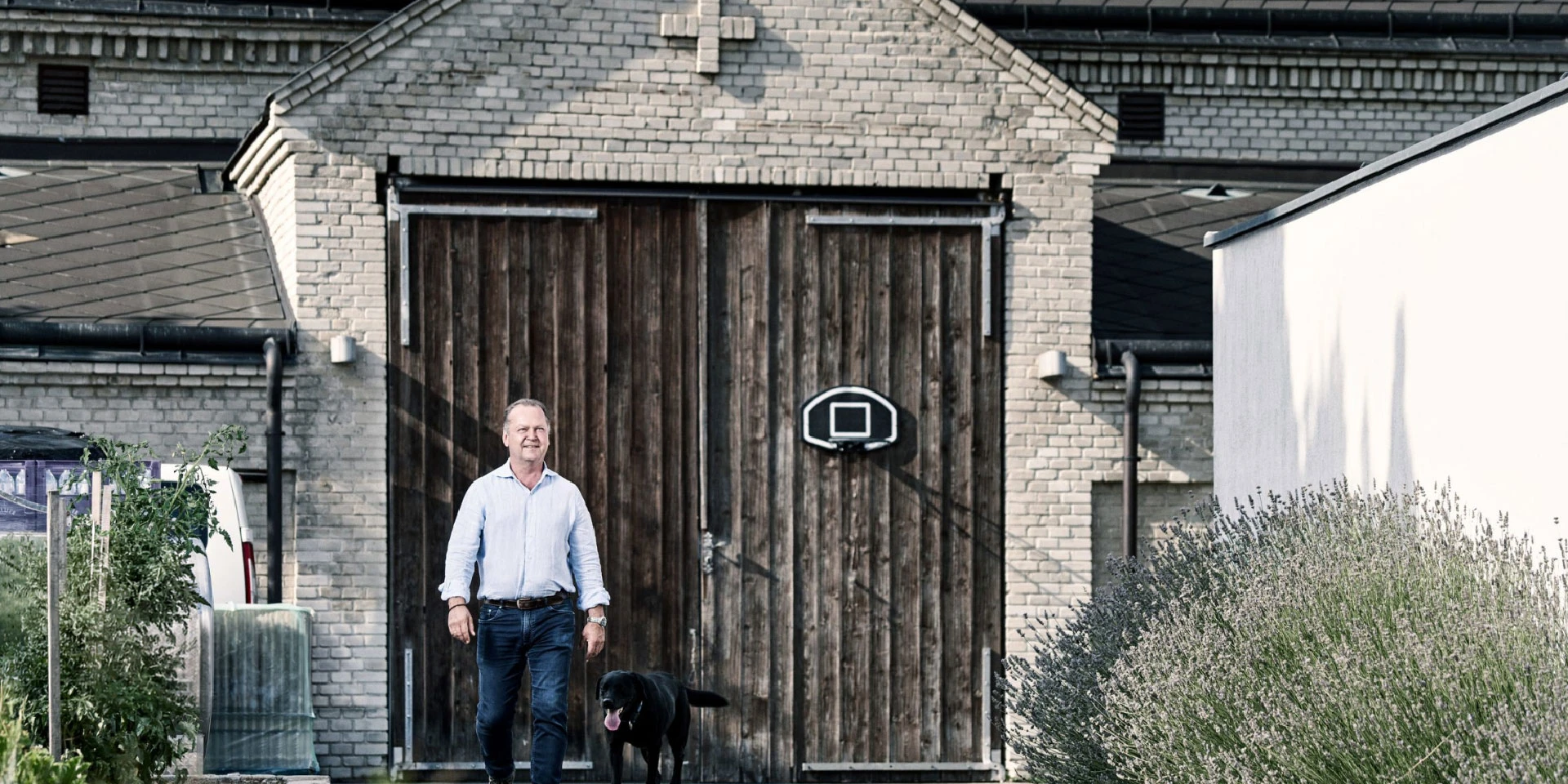
Viticulture in a city of over a million people – that in itself is extraordinary enough. What is even more remarkable, however, is that Vienna not only boasts a vibrant Heurigen culture, but also vineyards and sites capable of producing wines of international calibre. The fact that this realisation seems self-evident today is also down to Fritz Wieninger. He belongs to that generation of winemakers who have taken Viennese wine out of its local niche and given it a new sense of self-confidence.
The Wieninger Winery is situated in Stammersdorf, in the north of the city, where the family has had ties to wine for generations. As a young man, however, Fritz Wieninger initially set his sights far beyond Vienna. In his early 20s, he gained experience overseas, where he learnt about modern cellar techniques and new wine styles, and returned convinced that a consistent focus on quality would be the decisive path to the future. This gave rise to an approach that would prove pioneering for Vienna in the decades that followed: thinking internationally, whilst placing ever greater emphasis on one’s own heritage.
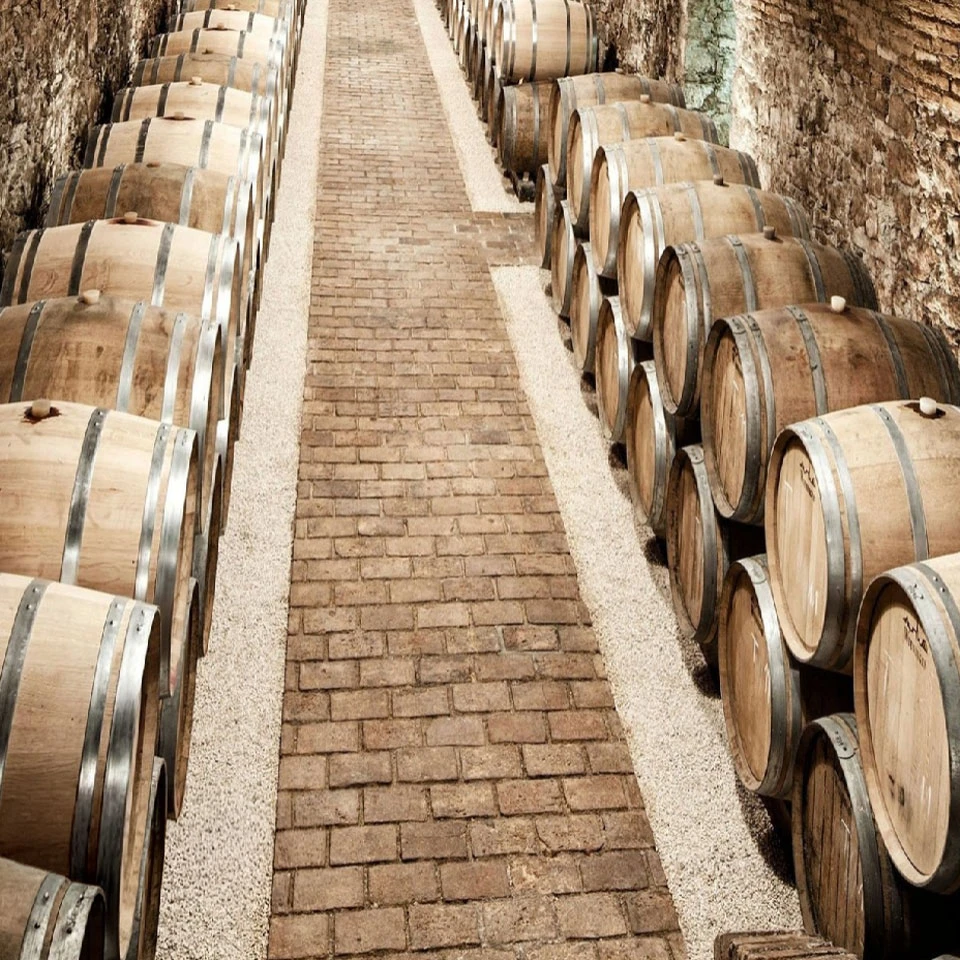
Today, Wieninger cultivates vineyards on both sides of the Danube: on the Bisamberg in the north and on the Nussberg to the west of the river. It is precisely this contrast that is one of the estate’s great strengths. For although the two vineyards lie just a few kilometres apart, they differ significantly in terms of soil and microclimate. The Bisamberg is characterised by light, sandy loess and a limestone-rich subsoil. It is drier, windier and sunnier than the Nussberg and often produces particularly fragrant, fresh and straightforward wines. Chardonnay and red wine varieties thrive here just as much as Grüner Veltliner and the grape varieties used in the ‘Gemischter Satz’.
The Nussberg presents a very different picture. Shell limestone, limestone-rich sandstone and various marine deposits characterise the soils. They are heavier, sometimes with a higher clay content, and produce wines which, at Wieninger, often combine pronounced minerality, density and a creamy texture with freshness. Riesling and Grüner Veltliner find just as excellent conditions here as the Viennese ‘Gemischter Satz’. Sites such as Ulm, Rosengartel and Preussen are now among the estate’s most important vineyards and demonstrate just how differently ‘origin’ can be interpreted even within the Nussberg itself.
It is precisely this concept of terroir that has become increasingly important to Fritz Wieninger over the years. Whilst the focus at the start of his career was primarily on raising the quality of Viennese wine to new heights, both technically and stylistically, soils, microclimates and living vineyards later came ever more to the fore. In 2006, he initially converted a few hectares to biodynamic cultivation on a trial basis. The results convinced him so thoroughly that, from 2008, the entire estate adopted this approach. Today, Wieninger himself describes his work as biodynamic, nature-oriented viticulture, in which manual labour and a respectful approach to the soils play a central role.
It is typical of Fritz Wieninger that he never focused exclusively on his own vineyard. His name is closely associated with the renaissance of the ‘Wiener Gemischter Satz’. In 2006, he joined forces with other leading Viennese winemakers to form the WienWein group. Their shared aim was to establish new quality standards for the region and to raise awareness once again of one of Vienna’s oldest wine traditions. The success was enormous: the Gemischter Satz evolved from an unpretentious Heurigen wine into a wine of provenance taken seriously and was finally enshrined in law as the “Wiener Gemischter Satz DAC” with the 2013 vintage.
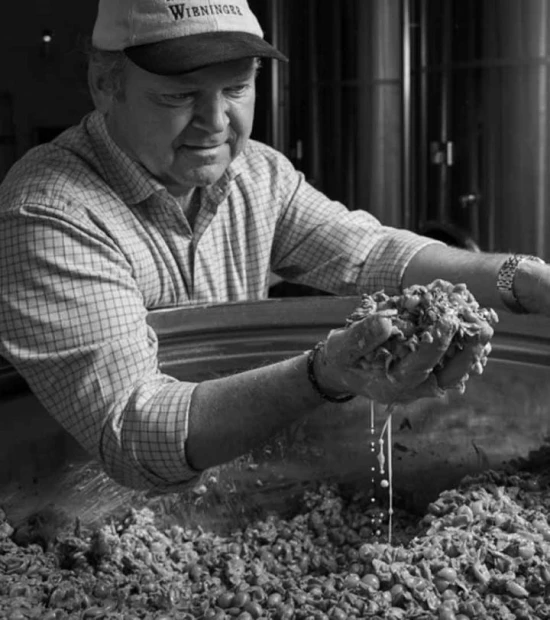
The principle is as simple as it is steeped in tradition, yet seems rather unusual today. Different grape varieties grow together in a single vineyard, are harvested together and fermented together. It is therefore not a cuvée of fully matured wines. Depending on the vineyard, Grüner Veltliner, Riesling, Pinot Blanc, Welschriesling, Neuburger, Traminer and many other varieties may grow side by side. Early-ripening grape varieties bring body and aromatics, whilst later-ripening varieties contribute acidity and freshness. This interplay results in a wine whose complexity is already laid down in the vineyard. Wieninger recognised early on that this traditional system, which used to be the standard throughout Europe, is ideally suited to expressing terroir.
Yet his range is by no means limited to just one ‘Gemischter Satz’. The wines follow a clear hierarchy of origin, ranging from Viennese regional wines through wines from the Bisamberg and Nussberg to individual vineyard plots. Particularly impressive is the Ulm vineyard on the Nussberg, all 3.6 hectares of which are cultivated by Wieninger. The Gemischter Satz produced there has become one of the estate’s most distinctive wines. A ‘Gemischter Satz’ is also produced from the Rosengartel vineyard, whilst the Preussen vineyard is primarily known for its Grüner Veltliner and Riesling. Wieninger is also a member of the ‘Österreichische Traditionsweingüter’ (Austrian Traditional Wineries) and is thus involved in the classification of Vienna’s finest vineyard sites.
Yet the winery is far more than just the Gemischter Satz. Single-varietal Grüner Veltliner and Riesling form an important part of the range, whilst Fritz Wieninger has long been intensively engaged with Chardonnay and Pinot Noir. It is precisely these varieties that reveal another side to the estate: Wieninger does not view Viennese wine through a folkloric lens, but rather as part of an international wine culture. The crucial question remains how grape variety and terroir can be harmonised. The current range therefore extends from approachable regional wines to sophisticated single-vineyard wines and mature reds.
Today, the family estate’s wines are exported to 45 countries. Nevertheless, their core message has remained distinctly local. Fritz Wieninger himself describes his aim as embodying the Viennese spirit in wine.
© Photos: Wieninger Winery
Prices incl. VAT


